When I first started selling commercial grain mills out of a small warehouse back in 2008, I quickly learned that choosing the right mill for a food business isn’t just about grinding grain—it’s about matching the machine to the work you need it to do. I’ve seen restaurant owners buy mills too small for their daily throughput, and farmers invest in heavy industrial units that can’t handle the soft heritage grains their customers demand. Today, after thousands of conversations with bakers, mill operators, and small-scale food manufacturers, I can walk through the questions that will turn a vague search into a decision that works for your business. Commercial Grain Mill
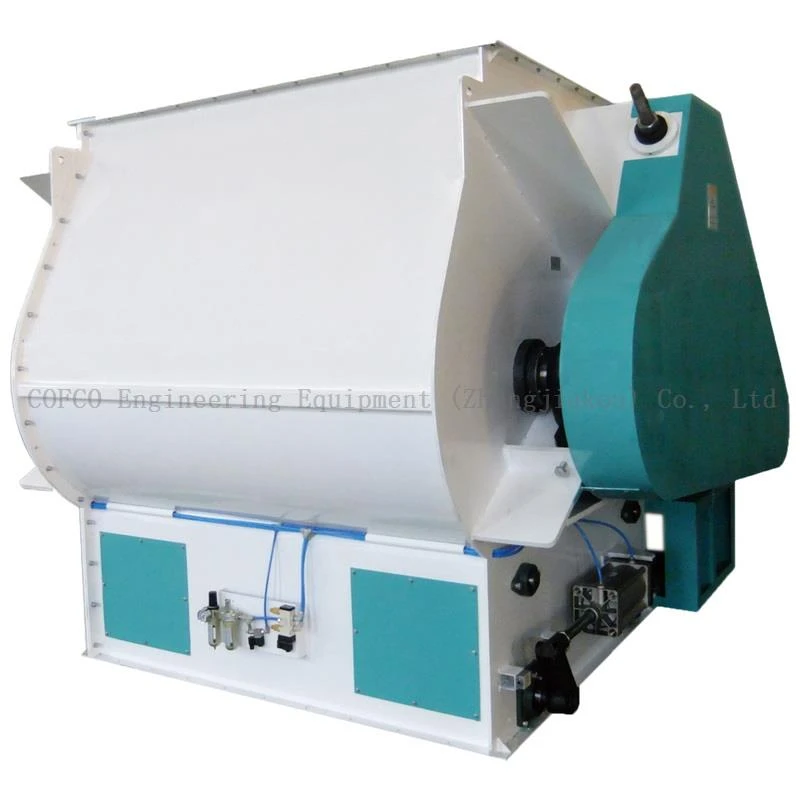
The first thing to figure out, before you even look at a mill, is your core operational need. Are you running a small bakery that needs 50 to 100 pounds of flour a day for sourdough loaves? That’s a different animal than a grain co-op serving local cafes and bakeries, needing 500 to 1,000 pounds daily. Or maybe you’re a large agricultural operation that processes 5,000 pounds or more, cleaning and milling grain for distribution to retail and wholesale clients. I can’t tell you how many times a customer has come to me asking for a “commercial mill” without naming their daily output, and we end up wasting time on machines that either can’t keep up or are way overbuilt for their needs.
Throughput isn’t just about how much grain a mill can grind an hour—it’s about consistency. For a bakery, uneven grind sizes mean some loaves are too dense because there’s too much coarse bran, and others are too crumbly because fine flour has overheated. That consistency directly impacts your product quality and customer trust. When testing a mill, ask for a sample run of your specific grain—not just a generic wheat. Soft heritage grains like einkorn or spelt behave differently than hard red winter wheat, and some mills can’t adjust to those variations. Last year, a craft bakery switched to a lower-priced mill that worked fine for commercial wheat, but when they added spelt to their line, the mill clogged constantly and produced inconsistent flour. They ended up replacing it six months later, costing them more in the long run than if they’d invested in the right model from the start.
Next, consider grind versatility. Most commercial mills can do coarse grist for animal feed and fine pastry flour, but if you need to make multiple products, adjustability matters. Look for mills with adjustable burrs—two round, abrasive surfaces that grind grain as it passes between them—rather than fixed plate mills, which only produce one grind size. If you’re a farm-to-table mill, you might need to grind grits for breakfast cereals, fine flour for pizza dough, and even coarse cracked grain for soups. Some mills also offer different burr materials, which affects both the grind quality and the mill’s lifespan. Steel burrs are durable and great for high-volume grinding, while ceramic burrs produce a cooler grind, which is ideal for heat-sensitive grains like rye, whose flavor can degrade if overheated. That’s a big point for bakeries that prioritize grain flavor over just yield—overheated flour has a flat, stale taste that customers notice.
Durability is non-negotiable for commercial use. These mills run 8 to 12 hours a day, sometimes more, and they need to handle heavy loads without breaking down. Cheap mills with thin metal parts or plastic components will crack or wear out quickly, leading to costly downtime. When evaluating durability, ask about the construction material, the warranty period, and the type of motor. A 1-horsepower motor might work for small batches, but for daily use, you’ll want a motor that’s at least 3 horsepower, with a cast iron frame instead of aluminum. I tell every customer to think about how much downtime they can afford. If a mill breaks down in the middle of a busy weekend, that’s lost revenue and frustrated customers. Investing in a mill with a 5-year warranty on parts, not just labor, gives you peace of mind.
Cleaning and maintenance are also often overlooked until it’s too late. Grain mills, especially those grinding whole grains, get dusty, and leftover grain can turn rancid if not cleaned properly. Look for mills with easy-to-disassemble parts—no tools required if possible—so your staff can clean them quickly at the end of the day. Mills with sealed motors might seem like a win, but they can trap dust inside, leading to overheating. On the flip side, open-frame motors are easier to clean, but you have to make sure the motor is well-ventilated to prevent dust buildup. Some mills also have built-in filtering systems to reduce airborne grain dust, which is both a safety hazard (grain dust is flammable) and a nuisance for your staff. I always recommend asking to see a cleaning demonstration before buying—if the staff can’t show you how to take the mill apart and put it back together in 10 minutes, it’s going to be a hassle every night.
Cost is another factor, but it shouldn’t be the only one. I’ve had customers come to me with a $5,000 budget, looking for a mill that can produce 1,000 pounds a day. While it’s possible to find a mill in that range, it’s not going to be as durable or consistent as a mill that costs $8,000 to $10,000. The biggest mistake businesses make here is choosing the cheapest option without considering long-term costs: repairs, replacement parts, and lost productivity when the mill breaks. For example, a bakery that spent $4,000 on a small mill ended up spending $1,500 on repairs in its first year, and lost $2,000 in sales when the mill was out for three days during a holiday rush. A slightly more expensive, higher-quality mill would have cost them less overall. That said, you also don’t want to overspend. If you only need 50 pounds a day, a $15,000 industrial mill is a waste of money. It’s about matching the mill’s features to your needs, not buying the biggest one on the market.
Don’t forget to consider feedstock compatibility. Some mills can only process clean, dry grain, while others can handle grain with small amounts of chaff or debris. If you’re working with grain straight from the farm, you might need a mill with a pre-cleaning system, or at least one with wider feed openings that don’t clog easily. If you’re buying pre-cleaned grain, you can opt for a more precise mill that’s designed for clean grain. Also, make sure the mill can handle the type of grain you’re using—some mills struggle with oily grains like flax or sesame, which can gum up the burrs. If you plan to add oilseed grinding to your product line, look for a mill that’s specifically rated for oily seeds, or invest in a separate mill, because even a versatile grain mill won’t handle both wheat and flax well without modifications.
Once you’ve narrowed down your options, test the mill if possible. Most reputable suppliers offer on-site trials, so you can run your own grain through the mill and see how it performs. When testing, pay attention to: the noise level (a loud mill is not only disruptive for your staff, but might also be a sign of poor construction), the amount of fines (ultra-fine particles that can make flour too dusty), and the heat of the grind. After running a batch, feel the flour—if it’s warm to the touch, that means the burrs are generating too much heat, which will degrade the grain’s nutrients and flavor. A good mill will produce cool, consistent flour, even after hours of running.
It’s also important to think about future growth. If you’re planning to expand your product line or increase your daily throughput in the next two years, don’t buy a mill that maxes out exactly at your current needs. Adding 200 pounds a day of production might be just a small upgrade later, but it’s much cheaper to buy a mill that can handle that extra capacity now, rather than having to replace it in a year. I had a customer who bought a mill that did 500 pounds a day, expecting to stay small, but a year later they were taking on a new account that needed 800 pounds. They had to sell their old mill at a loss and buy a larger one, costing them thousands extra.
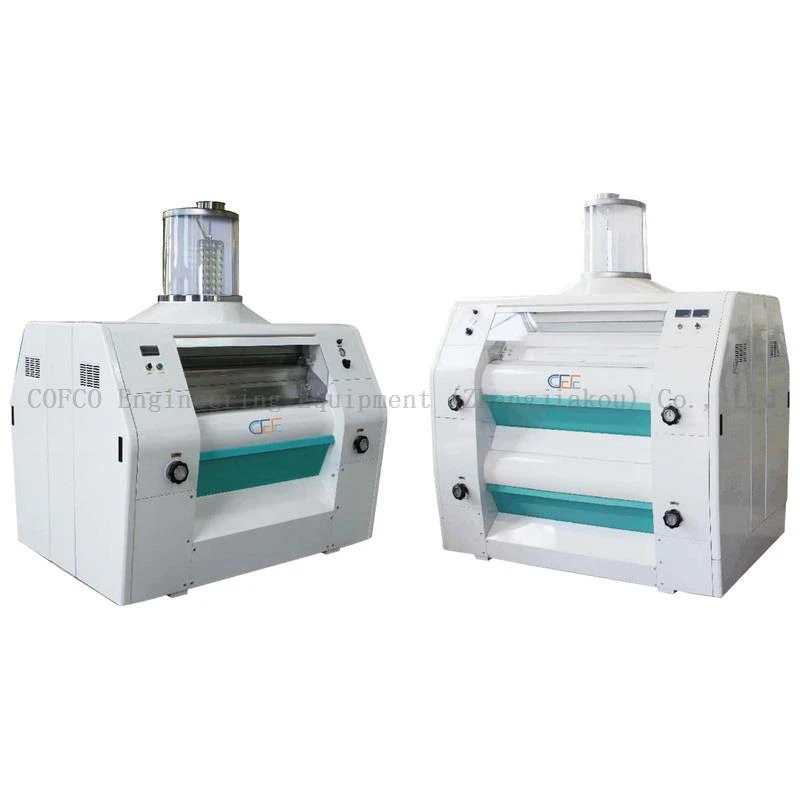
At the end of the day, choosing a commercial grain mill is a balance between your current needs, your budget, and your long-term goals. It’s not a decision to rush—take the time to ask questions, test mills, and talk to other businesses in your industry about what works for them. If you’re ready to find a mill that fits your operation, don’t hesitate to reach out. We work with bakeries, farms, and food manufacturers of all sizes, and we can help you find the right mill for your daily throughput, product type, and budget, no matter where you are in your business’s growth.
Fluting Machine References:
- Food and Agriculture Organization of the United Nations. (2020). Commercial Grain Milling: Best Practices for Small and Medium-Scale Operations. Rome: FAO Press.
- American Bakers Association. (2021). Equipment Guidelines for Craft Bakeries: Grinding and Processing. Washington, DC: ABA Publications.
- Grain & Feed Milling Technology. (2022). “Selecting the Right Burr Mill for High-Throughput Grain Processing.” Vol. 46, No. 3, pp. 22-27.
- Occupational Safety and Health Administration. (2019). Grain Dust Hazards and Machine Safety for Agricultural Operations. Washington, DC: U.S. Department of Labor.
- Sustainable Food Lab. (2020). Artisan Grain Milling: Balancing Flavor, Consistency, and Efficiency. Berkeley: Sustainable Food Press.
COFCO Engineering Equipment (Zhangjiakou) Co., Ltd.
COFCO Engineering Equipment (Zhangjiakou) Co., Ltd. is one of the most professional commercial grain mill manufacturers and suppliers in China, also supports customized service. Please feel free to wholesale advanced commercial grain mill for sale here from our factory. Quality products and reasonable price are available.
Address: No.4 ZhongLiang Street, high-tech industrial development zone, Zhangjiakou, Hebei, PRC
E-mail: mayihui@cofco.com
WebSite: https://www.ceeflourmill.com/
