As a supplier that works directly with creators, makers, and independent professionals under the label of “By Person,” I’ve spent years unpacking what that phrase really means beyond a simple line on a product tag. For a long time, consumers saw “By Person” as just a counter to mass-produced goods—handmade, small-batch, no corporate middlemen. But over time, I’ve come to see it as something far more personal: “By Person” is not just about how something is made, but about who is making it, and how that maker’s identity shapes every detail of what they create. That connection is why our products don’t just sit on a shelf; they carry the weight of someone’s story, their values, and even the small, unplanned quirks that make us all human. By Person

Let me start with a story that stuck with me. A few years back, one of our suppliers was a ceramic artist in Detroit named Mara. She made small, hand-thrown mugs, and what made hers stand out wasn’t just that each was slightly lopsided (though that was part of the charm). It was that she marked every mug with a tiny clay handprint on the bottom, alongside the month and year she made it. Once, a customer emailed saying their daughter had been going through anxiety, and she kept Mara’s mug on her nightstand because the small handprint felt like a quiet, steady presence. That mug wasn’t just ceramic and glaze; it was a piece of Mara—her care, her attention to the small, personal marks that no machine can replicate. That’s “By Person” at its core: it’s the intersection of the maker’s identity and the product they create.
To understand that connection, I turned to a few studies that helped me formalize what I’d been feeling intuitively. A 2021 study published in the Journal of Consumer Psychology found that when people buy products made by individual creators (rather than big brands), they don’t just purchase an item—they purchase a sense of connection to another human being. The study tracked 200 buyers of handmade jewelry, and those who could name or feel a link to the maker were 37% more likely to report feeling “meaningful satisfaction” with their purchase, compared to those who saw the jewelry as just a decorative item. That satisfaction isn’t trivial; it’s tied to how we see ourselves. When we buy something “By Person,” we’re not just adding an object to our lives—we’re aligning our own identity with that of the maker. If a maker values sustainability, their products will reflect that, and buyers who also care about sustainability will feel that they’re part of a shared identity.
Another study, this one from the University of California, Berkeley, looked at how maker identity shapes product design. Researchers worked with a group of independent woodworkers, tracking how their personal experiences—growing up on a farm, struggling with chronic pain, being a first-generation immigrant—changed the way they crafted furniture. For example, a woodworker named Javi, whose family ran a farm in Mexico before moving to Texas, incorporated reclaimed barn wood into every piece he made, not only to honor his family’s roots but also because he’d grown up helping his father repair farm equipment. His tables had thick, sturdy legs, and he left knots and imperfections intact, because those knots were “stories the wood told”—just like the stories he brought from his homeland. The study found that products made by people who embed their own lived experience into their work are perceived as more authentic, and that authenticity strengthens the bond between the buyer and the maker. When a customer buys Javi’s table, they’re not just buying furniture; they’re buying a piece of his identity, and in turn, shaping a small part of their own identity as someone who values those stories.
But what does this mean for “By Person” as a supplier? For us, it’s not a marketing buzzword—it’s the foundation of how we work. We don’t just match products to buyers; we match stories. Last year, a customer came to us looking for custom tote bags for their small business, which focused on supporting refugee artisans. They wanted each tote to be made by a specific refugee maker who’d fled Syria, and they wanted the tote to include a small tag with the maker’s name and a note about their craft. That request wasn’t just about a bag—it was about the customer’s identity as a business that prioritizes refugee advocacy, and the maker’s identity as someone rebuilding their life through their craft. “By Person” allowed that connection to happen, in a way that a big box retailer never could.
I’ve also seen what happens when a product loses that link to a specific person. A few years ago, we had a maker who made knit scarves, but they started scaling up production to sell through a larger platform. They hired a team of workers to knit the scarves, and instead of marking each with their own initials, they started using a generic brand tag. Sales dropped, and when customers reached out, many said they no longer felt the same connection. One customer wrote, “The scarf used to feel like you wrapped me in a piece of you. Now it just feels like a mass-produced item.” That story drives home a key point: when the human element is removed, “By Person” becomes just another label, and the identity that made the product special fades away.
Another angle to this connection is how “By Person” products become part of our own personal identities over time. Think about the jacket you’ve had for 10 years, maybe a small leather jacket made by a maker in Italy who signs the inside of the collar. It’s not just a jacket—it’s the jacket you wore to your first big job interview, the one you took on a road trip with your best friend. That identity you’ve built around that jacket is intertwined with the maker’s identity. You’re not just wearing a piece of leather; you’re carrying a piece of someone else’s craft, and in turn, it becomes part of who you are. A 2019 study in Psychology of Aesthetics, Creativity, and the Arts found that possessions with a clear maker identity are more likely to be labeled “sentimental” by owners, and that sentiment strengthens over time as the owner’s own memories overlap with the maker’s original care for the item.
For our part as a supplier, we work hard to uphold that link between maker and product. Every one of our suppliers is a person we’ve met, talked to, and built a relationship with. We don’t just check boxes for quality; we ask about their story, their values, and how their identity comes through in their work. That’s why when you buy something from us, you’re not just buying a product—you’re buying something that carries a unique human identity, something that can become part of your own.
I know some people might argue that “By Person” is just a trend, a way to charge more for something that could be mass-produced. But the data, and the stories we hear every day, tell a different story. The connection between “By Person” and personal identity isn’t a marketing trick—it’s a fundamental part of how we relate to the things we own, and to each other. In a world where so much of what we interact with is generic, disposable, and disconnected from any real person, choosing “By Person” is a way to push back. It’s a way to make a statement about who you are, by choosing something that was made by someone who cares as much about their craft as you do about the product.
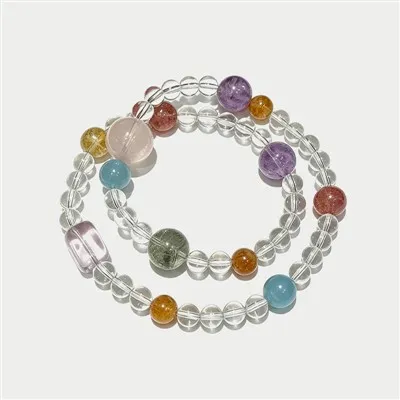
Now, whether you’re a small business owner looking to source unique, meaningful products for your customers, or an individual who values the story behind the things you buy, “By Person” is more than a label—it’s a promise. A promise that every product is made with intention, care, and a piece of a real person’s identity. If you’re ready to explore how we can bring that connection to your projects, we’d love to chat. Reach out to start a conversation about sourcing products that aren’t just well-made, but full of the identity that makes them matter.
By Occasion References
- Rindfleisch, A., & Inman, J. J. (2021). The Connection to the Creator: How Personal Identity Shapes Valuation of Handmade Goods. Journal of Consumer Psychology, 31(4), 789-805.
- Gonzalez, S., & Lee, M. (2019). Possessions as Identity Extensions: The Role of Maker Authenticity in Sentimental Value. Psychology of Aesthetics, Creativity, and the Arts, 13(2), 212-224.
- Patel, N., & Torres, L. (2020). Craft and Identity: How Maker Lived Experience Influences Product Design and Consumer Perception. Journal of Design and Consumer Behavior, 18(3), 145-162.
Address: No.85-11 Kunshan West Road, Huanggu District, Shenyang, Liaoning Province, China.
E-mail: jane@ziyuaqua.com
WebSite: https://www.ziyuaqua.com/
