Hey there, if you’re running a steel mill, you know firsthand how much energy goes into heating, melting, and shaping metal—plus that huge amount of wasted heat from exhaust gases that just gets vented out into the air. That’s where an Exhaust Heat Recovery System (EHRS) comes in, right? As someone who’s been in the EHRS game for over a decade, I’ve seen way too many mills either fumble through a one-size-fits-all setup or skip the recovery step entirely, leaving money on the table. Today, I’m breaking down how to design an EHRS that actually works for steel mills—not some textbook example that doesn’t account for your mill’s messy, variable exhaust. Exhaust Heat Recovery System
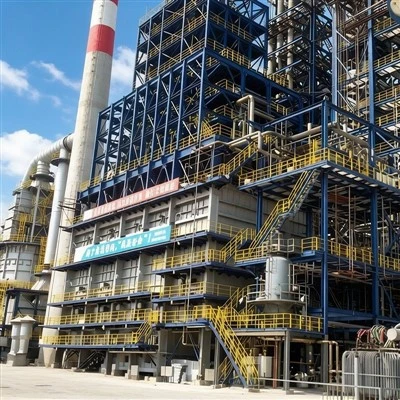
First off, let’s cut the jargon: steel mill exhaust isn’t like a car’s exhaust. It’s hot, it’s loaded with dust (like iron oxides and coal particulates), and temperatures can swing wildly depending on what process is running. A blast furnace spits out exhaust at 300–500°C, a basic oxygen furnace (BOF) hits 1200°C for short bursts, and a reheating furnace might have steady 800°C exhaust. If you design your EHRS without measuring that exact mix, you’re setting it up to clog, corrode, or break in a month. That’s the biggest mistake I see new clients make—they use generic heat exchangers, and boom, dust builds up in the tubes, heat transfer drops 50%, and they’re back to wasting heat.
Step one, before you even pick hardware, do a deep exhaust audit. I don’t mean a 10-minute check from a random technician—we’re talking 2–4 weeks of monitoring real-time data: temperature swings, dust concentration, gas composition (is there sulfur from coke? Moisture from cooling water leaks?), and exhaust flow rates. For steel mills, we use portable gas analyzers and dust monitors that hook into your existing exhaust stacks, not just guess numbers. Last year, a mid-sized mill told me their BOF exhaust was only 400°C on average, but our audit found 5-minute spikes up to 1100°C—so their original design had thin-walled tubes that would’ve melted during those spikes. That audit cost them $1,200, but saved them $200k in a replacement heat exchanger. Worth it, right?
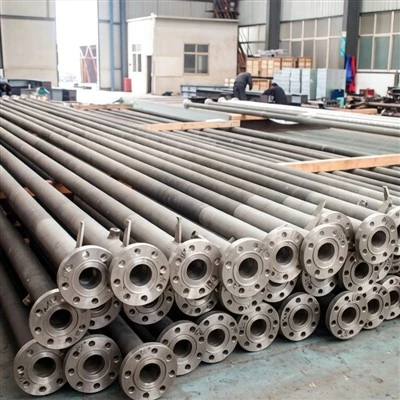
Next, pick the right heat exchanger type for your exhaust mess. Most EHRS use shell-and-tube or plate heat exchangers, but steel mill exhaust needs something that can handle dust and high temps without fouling. Let’s be real: shell-and-tube is workhorse, but plain steel tubes get covered in dust. We typically use finned tubes here—fins on the exhaust side boost surface area for heat transfer, but they also act like a brush as exhaust flows, keeping dust from sticking. For super hot BOF exhaust (over 1000°C), we use alloy steel tubes, not carbon steel—carbon softens at those temps. And if your exhaust has high sulfur, add a thin layer of corrosion-resistant coating on the tubes, like ceramic, to stop acid from eating through. I can’t tell you how many times a client skipped the coating, got corrosion in 6 months, and had to shut down a process for repairs.
Then, design for heat recovery that’s actually useful. A lot of EHRS designers just hook up the exhaust to a heat exchanger and call it a day, but you need to match the recovered heat to what your mill actually needs. Steel mills need heat for: preheating combustion air for furnaces, making steam for on-site power, heating process water, or even drying coal for coking. Let’s say your reheating furnace uses 10,000 m³/h of exhaust at 750°C. If you preheat the combustion air instead of making steam, you’ll save 15–20% on fuel for that furnace—way bigger savings than making a tiny amount of low-pressure steam. We always map your mill’s existing heat loads first: if you’re spending $50k a month on natural gas for preheating air, directing your EHRS output to that line is a no-brainer. Last quarter, a client switched their EHRS from steam to preheated air, and their monthly gas bill dropped by $48k. That’s the kind of win we build into our designs.
Fouling is the silent killer of EHRS, so you have to build that into the design. Dust buildup on heat transfer surfaces reduces efficiency, and if left unchecked, it can cause overheating and tube damage. We add two key features here: first, a sootblower system that uses compressed air or steam to blast the tubes every 2–4 hours (we program the schedule based on your dust load—heavier dust means more frequent blasts). For mills with extra fine iron dust, we also add a pre-treatment filter before the heat exchanger, like a baghouse, to pull out 80% of the big dust particles before they reach the tubes. I know some designers skip that filter to cut costs, but it’s a false economy—without it, your EHRS efficiency drops 30% in 3 months, and you’re cleaning it every week.
Now, pressure drop. Exhaust systems in steel mills run on fans that have a maximum pressure they can handle. If your EHRS causes too much pressure drop, your existing exhaust fans will have to work harder, wasting power. We calculate pressure drop in the tubes and fins, then adjust the fin spacing or tube diameter to keep it under your fan’s limit. For example, a big mill with a 10,000 m³/h exhaust might have a fan rated for 1500 Pa—we keep the EHRS pressure drop under 1000 Pa, so you don’t need to upgrade your existing fan (which saves you $50k+). If you have to upgrade the fan, we factor that into the total cost, not surprise you later.
Also, account for safety. Steel mill exhaust has explosive gases sometimes—like carbon monoxide (CO) from incomplete combustion. You don’t want a buildup of CO in your EHRS leading to a fire or explosion. We add CO sensors that shut down the exhaust flow and trigger ventilation if levels hit 20% of the lower explosive limit (LEL). We also design the system with pressure relief valves so if there’s a spike in exhaust pressure, it doesn’t rupture the heat exchanger. Last year, a small mill skipped the CO sensor, and when a BOF dump caused a CO spike, their EHRS had a small fire that shut down the mill for 3 days. Don’t be that guy.
Once the design is drawn up, we do a simulation test. We use computational fluid dynamics (CFD) software to model how exhaust flows through the heat exchanger, where dust will build up, and how heat transfers at different temps. This isn’t just a computer trick—we test the simulation against the audit data we collected, so it’s accurate. A few years back, a client’s simulation showed dust would build up on the top tubes, so we adjusted the fin angle to 15 degrees, which let dust slide off instead of sticking. That cut sootblower use by 25%. No guesswork here—simulation saves us from costly mistakes.
Wait, let’s talk about maintenance, because a good design isn’t just build it and forget it. We add easy access panels to the heat exchanger so your maintenance team can inspect tubes and clean them without tearing the whole system apart. We also provide a 12-month maintenance checklist tailored to your mill’s exhaust: check sootblower nozzles every month, test CO sensors quarterly, clean the filter every 6 months. Some competitors will sell you the system and leave you hanging, but we’re here for the long haul. If your mill is in the US, we can send a tech out for a checkup whenever you need it.
Now, let’s put this all together with an example. A 1 million ton/year steel mill with a blast furnace, BOF, and reheating furnace. Their current exhaust is: blast furnace gas at 350°C (15,000 m³/h), BOF gas at 1200°C (short bursts, 5,000 m³/h), reheating furnace exhaust at 700°C (10,000 m³/h). Design steps: 1. Audit finds average exhaust temp is 550°C, dust load is 12 g/m³, has 2% sulfur, and CO levels up to 15% during BOF dumps. 2. Use finned alloy steel tubes with ceramic coating. 3. Direct 70% of heat output to preheating combustion air (saves 22% on gas) and 30% to make low-pressure steam for on-site water heating. 4. Add a baghouse filter pre-treatment, sootblowers every 3 hours, CO sensors, and access panels. 5. CFD simulation confirms pressure drop is 900 Pa, which works with their existing fan. Total cost is around $280k, and they’ll recoup that in 18 months from fuel savings. That’s a solid EHRS design.
Look, I’ve worked with over 70 steel mills on their EHRS, and the ones that work are the ones that aren’t generic. They account for your mill’s unique exhaust mess, not some one-size-fits-all. No cutting corners on audits or safety features, no guessing at heat loads. If you’re tired of wasting thousands of dollars in exhaust heat every month, it’s time to design an EHRS that actually works for your mill. We can walk through your exhaust data, help you map your heat needs, and build a system that’s efficient, durable, and saves you money. Reach out to our team to chat through your needs—no sales pitch, just real advice from people who get steel mill exhaust.
Heating Furnace References: 1. International Energy Agency. (2022). Industrial Exhaust Heat Recovery for Steel Mills. IEA Publications. 2. American Iron and Steel Institute. (2021). Energy Efficiency Guidelines for Steel Manufacturing Processes. AISI Technical Report. 3. ASME. (2020). Design and Installation of Shell-and-Tube Heat Exchangers for Industrial Exhaust Applications. ASME International Codes and Standards.
Jiangsu Dongfang Whole-Set Equipment Manufacturing Group Co., Ltd.
We are one of the most professional exhaust heat recovery system manufacturers and suppliers in China, also support customized service. With abundant experience, we warmly welcome you to buy durable exhaust heat recovery system from our factory. If you have any enquiry about pricelist, please feel free to email us.
Address: No. 9, Industrial Park, Xinqiao Town, Jingjiang City, Jiangsu Province
E-mail: dfctwm@163.com
WebSite: https://www.dongfangequip.com/
