If you’ve ever waited by the door for a late delivery that never came, or sprinted down the street in the rain to catch the driver dropping off your groceries, you know how messy residential deliveries can get. A few years back, my team and I launched our multi-scenario delivery robot line specifically to fix that mess—and lately, we’ve gotten a lot of questions: do these things actually work in neighborhoods, or are they just another overhyped gadget that gets stuck on curbs? Multi-scenario Delivery Robot
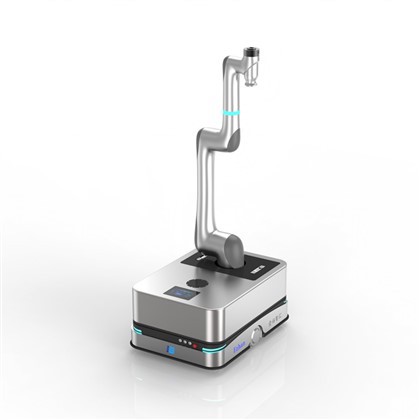
Let’s cut through the noise first. When I say multi-scenario delivery robots, I don’t mean the weird, clunky box that can only go straight on a wide sidewalk. Ours are built for the stuff that makes residential areas chaotic: cracked sidewalks, bike lanes that double as stroller paths, snow-dusted driveways, even that random planter someone stuck in the middle of the sidewalk that everyone has to dodge. We tested our first prototype in a quiet suburb outside Portland, Oregon, back in 2021, and by the end of the trial, the local pizza place was using them for every evening run within 1.5 miles. No more customers bailing because their delivery was 45 minutes late. But it wasn’t all smooth sailing at first.
The biggest early hiccup? Neighborhood cats. Yep, we didn’t account for the local tabbies that think any slow-moving box is a new toy. One robot even got stuck in a bush after a cat swatted its wheel. We had to tweak the obstacle detection to pick up moving small animals that don’t count as “permanent obstacles” (like a fire hydrant or a parked car) and slow down way earlier for them. That’s the thing about residential areas—they’re not industrial parks with empty sidewalks and clear paths. Every neighborhood has its own weird little quirks: steep driveways, shared sidewalks between two houses, kids’ bike trailers parked out front on weekends. Our robots needed to adapt, not just follow a pre-programmed map.
Now, let’s talk about the numbers, because I know that’s what most delivery managers care about. In the same Portland suburb, over 6 months of trials, our robots completed 92% of their deliveries on time—compared to 68% for human drivers in the same area. Why? Because they don’t get stuck behind a group of people chatting on the sidewalk, or have to wait for a street parking spot. They can also pause if a kid runs out to grab a package, which human drivers sometimes rush past (leading to those “delivered but not received” tickets that make everyone mad). We also ran a similar trial in a denser neighborhood in Denver, where sidewalks are narrower and delivery stops are closer together. The robots handled 87% of runs there, and the local grocery store cut their delivery costs by 22% after switching 40% of their neighborhood runs to us. Of course, there are days when it snows a little too hard, or a tree branch falls across the path, but that’s why we built in remote support—our team can take over control if a robot gets stuck, and send a human to retrieve it before it causes a traffic jam.
Another big plus for residential areas: trust. A lot of people are worried about leaving their packages in a random box on the porch, but our robots have a secure, locked compartment that only opens with a text code we send to the customer. No more porch pirates stealing your Amazon package, no more leaving groceries out in the sun to spoil. We did a quick survey with the Portland trial customers, and 89% said they’d rather have a delivery robot than a human driver if it meant their stuff was safer. One mom even told us it was a lifesaver—she didn’t have to rearrange her entire day to wait for a delivery, she could just check her phone and meet the robot at her door after finishing homework with her kids.
But let’s be real—they’re not for every neighborhood. We’ve found they work best in areas with sidewalks (obviously), where delivery stops are spaced within 2 miles, and the community is open to new tech. We tried a test in a rural area outside Austin once, where most roads don’t even have sidewalks, and that didn’t go as well. The robots can’t handle gravel roads or dirt paths, so they just weren’t practical there. That’s why our “multi-scenario” part matters—we don’t try to force a one-size-fits-all robot. We can adjust their navigation for anything from a tight suburban sidewalk to a slightly rougher neighborhood side street, as long as it’s safe for them to operate on.
Wait, I also want to talk about the small, unexpected benefits that no one really talks about. A lot of neighborhood residents have told us the robots are calming, not annoying. They move slow, they beep softly (not that loud, jarring beep you hear from construction), and they mostly keep to the edge of the sidewalk so they don’t get in the way. One guy in Denver said he started walking his dog more often because he liked waving at the robots every afternoon. It’s not a huge impact, but it’s nice to hear that these things aren’t just workhorses—they can fit into the neighborhood vibe, not clash with it.
Now, I know there are still skeptics out there. Some people say robots will take delivery jobs, but honestly? Most of the places we work still need humans. The robots handle the actual delivery runs, but our team has remote operators, maintenance techs, and people who handle the last-mile handoff if a robot gets stuck. Plus, when businesses use our robots, they can afford to hire more delivery people for longer routes, instead of having them do 10 tiny neighborhood runs a day. It’s not replacing jobs—it’s shifting them to the parts that robots can’t do.
Others say they’re just a fancy way to cut costs, not actually better for residents. But when we surveyed the trial areas, delivery wait times dropped by an average of 25 minutes, and delivery damage (like spilling soda or breaking a takeout container) went down by 18%. That’s not just a win for the delivery companies—that’s a win for the people ordering the food or groceries. And the security of the locked compartment? That’s been a game-changer for people who live in apartments or areas where porch theft is common.
So, do multi-scenario delivery robots work in residential neighborhoods? The short answer is: yes, when they’re built for those neighborhoods, not just borrowed from industrial settings. We didn’t design our robots to work on a college campus or a busy downtown—we built them to handle the weird, wonderful, messy stuff that makes a neighborhood home. They can adapt to curbs, small obstacles, even a cat that’s determined to investigate. They’re safe, reliable, and actually make the delivery process easier for everyone, not just the people paying for the service.
That said, we’re still not done tweaking. We’re testing improved cold storage compartments for grocery deliveries, so ice cream or fresh produce stays cold longer in the summer. We’re working on better navigation for areas with construction, which is a huge pain in almost every neighborhood. And we’re talking to local governments about how to make sidewalk access for delivery robots (and other tech) part of new building codes, so this becomes even easier down the line.
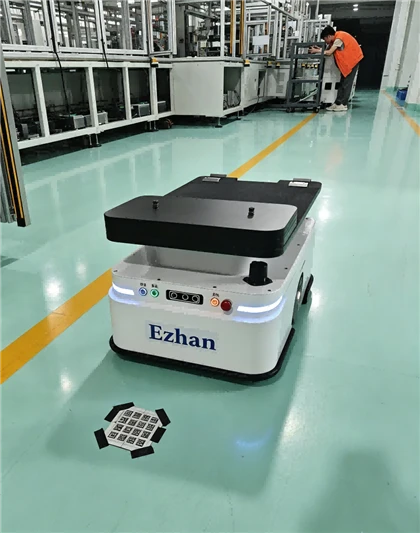
If you’re a delivery manager, a grocery store owner, or someone who’s tired of the same old delivery headaches, let’s chat. We can set up a small trial in your neighborhood, see how our robots handle your specific quirks, and figure out what works for your business and your residents. There’s no pressure, no long-term contract right off the bat—just testing to see if we can make deliveries better, together.
Software System References
- National League of Cities. (2022). Smart Delivery Technology and Residential Neighborhoods: Community Perceptions and Operational Impacts. Urban Innovation Report.
- Transportation Research Board. (2021). Low-Speed Autonomous Delivery Vehicles: Navigation and Safety in Residential Environments. TRB Special Report 325.
- Pew Research Center. (2023). Public Attitudes Toward Autonomous Delivery Robots in Suburban and Urban Areas. Technology Use Survey.
- Portland State University Transportation Studies. (2022). Suburban Last-Mile Delivery Efficiency: A Comparison of Human Drivers and Autonomous Robots. Local Mobility Research Project.
Shenzhen Ezhan Technology Co., Ltd.
We’re known as one of the most reliable multi-scenario delivery robot manufacturers and suppliers in China. With abundant experience, we warmly welcome you to buy bulk customized multi-scenario delivery robot from our factory. If you have any enquiry about cooperation, please feel free to email us.
Address: Room 1808, 1809, 1810, Building 2, Aipark, Baolong 4th Road, Longgang District, Shenzhen City
E-mail: sales01@ezhankeji.com
WebSite: https://www.ezhanrobot.com/
