If you’ve ever stood in a grocery store checkout line, stuffed a warm burger into a crinkly paper wrapper, or grabbed a stack of waxed paper wraps for a weekend picnic, you’ve probably tossed one into a recycling bin later and wondered: Is this actually getting recycled, or is it just ending up in a landfill? As a food wrapper supplier, I get this question all the time—not just from customers, but from the food brands, cafes, and takeout chains that rely on my products to keep their food safe and their packaging budgets on track. For years, I’ve worked hands-on with the materials, the recycling facilities, and the industry groups that set the rules for what can and can’t go in recycling bins. Today, I want to pull back the curtain on this topic, separate fact from the half-truths flying around social media, and explain why the answer isn’t as simple as “yes” or “no.” Food Wrapper
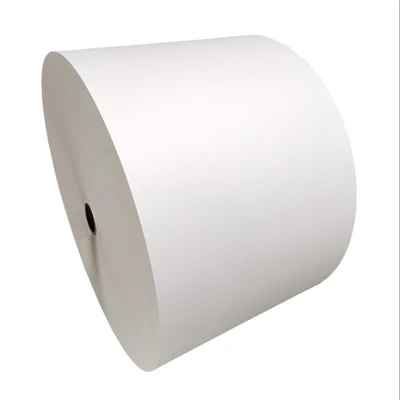
First, let’s start with the basics: What makes a paper food wrapper recyclable in the first place? At its core, paper is made from cellulose fibers, which come from trees—a natural, biodegradable resource. When paper is clean, uncoated, and free of contaminants, it’s usually a shoo-in for recycling. The problem comes in when manufacturers add layers to make paper work for food service: grease resistance, water resistance, heat retention, or even just the ability to hold a heavy sandwich or a steaming cup of noodles without falling apart.
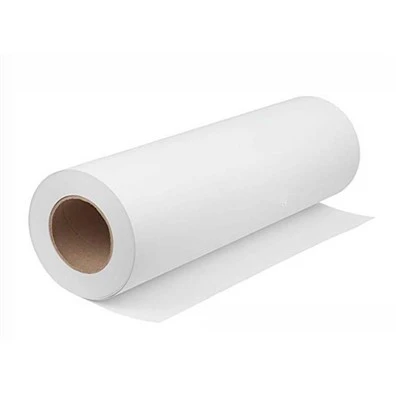
Let’s break down the most common types of food wrappers you’ll find on the market today, because not all paper wrappers are created equal, and each has a very different path to recycling. The first is plain, uncoated paper: think the simple brown paper bags you get at bakeries, or the plain tissue paper used to wrap sandwiches. This stuff is almost always recyclable, right? Well, mostly. If it’s free of food residue, grease, or sticky tape, yes. But if you’ve ever taken a greasy pizza slice and wrapped it in plain brown paper, that grease seeps into the fibers and turns the paper into a non-recyclable item. Most recycling facilities can’t remove food grease from paper, because the grease bonds so tightly to the cellulose fibers. That’s a key point I see overlooked all the time: even the most eco-friendly paper wrapper is useless for recycling if it’s soiled with food.
Next up is waxed paper, a staple in many home kitchens and small cafes. Waxed paper is coated with a thin layer of paraffin wax to make it water and grease resistant. For years, I heard customers say waxed paper is recyclable, but that’s not entirely accurate. The wax coating is a mix of plastic and hydrocarbon, and when paper and plastic get mixed like this, the recycling process usually can’t separate them. The result is low-quality pulp that’s full of tiny plastic bits, which ruins the entire batch of recycled paper. A lot of curbside recycling programs don’t accept waxed paper for that reason, though some specialized commercial recycling facilities can process it. It’s not a hard no, but it’s not a yes for most home recycling bins.
Then there’s the big one these days: paper with a polyethylene (PE) coating, often called “poly-coated paper.” This is the stuff that most fast food chains use for their burger wrappers, fry bags, and hot coffee cup lids. PE is a type of plastic, and it’s fused directly to the paper layer to make the wrapper grease-proof and water-resistant. At first glance, this seems like a worse option than waxed paper, but here’s where things get interesting: poly-coated paper is actually one of the more widely accepted paper food wrappers in commercial recycling programs, though not in most curbside bins. The reason is that commercial recycling facilities use a process called hydropulping, which breaks down the paper in a large vat of hot water. The PE coating floats to the top of the vat and can be skimmed off, then melted down and reused for things like plastic lumber or new packaging. That said, only a fraction of recycling programs offer this service, and it’s important to check with your local hauler before tossing poly-coated paper into a bin. I’ve had customers tell me they switched to poly-coated paper thinking it’s more eco-friendly, only to find out their local program doesn’t process it, so it’s ending up in a landfill anyway.
Recently, we’ve seen a surge in the number of “compostable” paper wrappers on the market, often made with plant-based coatings like PLA (polylactic acid) instead of PE or wax. These are marketed as sustainable, and they do break down in industrial compost facilities—but here’s the catch: they’re not recyclable in traditional paper recycling systems. The PLA coating is made from plant starch, which is different enough from cellulose that it can contaminate a batch of recycled paper, making it unusable. So if you toss a compostable wrapper into a recycling bin, it could ruin a whole pile of otherwise recyclable paper. That’s a huge point that I wish more food brands and consumers understood. Compostable isn’t the same as recyclable, and mixing them can do more harm than good for recycling rates.
Now, let’s talk about the biggest myth around paper food wrappers: that all paper packaging is better than plastic because it’s recyclable. I hear this all the time, from both customers and business owners. But the data doesn’t back that up. According to recent reports from the U.S. Environmental Protection Agency (EPA), only about 68% of paper and paperboard products are recycled annually. Compare that to plastic, which has a recycling rate of just 9% across all types, but that’s a misleading number. The problem with paper wrappers isn’t the material itself—it’s the contamination. When food-soiled, coated, or mixed paper products are tossed into recycling bins, they lower the quality of the pulp, reduce the total yield of recycled paper, and can even cause entire bales of recyclables to be rejected. I’ve been in dozens of recycling facilities and seen this firsthand: a single grease-stained pizza wrapper can turn a whole truckload of otherwise great paper into landfill material. Plastic wrappers, while harder to recycle, at least don’t contaminate other recyclables in the same way, because they’re sorted in separate streams.
So what does this mean for my customers? As a food wrapper supplier, my job isn’t just to sell a product—it’s to help my clients make packaging choices that actually work for their sustainability goals, not just look good on a marketing brochure. For small cafes and local restaurants that can set up separate collection for clean, uncoated paper wrappers, plain uncoated paper is a great, low-cost option. We also offer a line of grease-resistant paper that’s coated with a food-safe, plant-based wax that’s compatible with more local recycling programs than traditional paraffin wax. For large fast food chains and national brands, poly-coated paper is often a better choice if they have access to commercial recycling, because it’s more durable, safer for hot or greasy food, and can be recycled at a higher rate than compostable wrappers if processed correctly. We work with these brands to audit their local recycling infrastructure, so they don’t invest in packaging that’s just going to end up in a landfill.
I also want to talk about what consumers can do, because at the end of the day, recycling is a two-way street. If you’re grabbing a takeout meal and getting a paper wrapper, the single most important thing you can do is clean it before tossing it in the recycling bin. That means scraping out any leftover food, wiping off excess grease with a paper towel, and making sure there’s no leftover sauce or crumbs stuck to the wrapper. Even a quick rinse under water works for small, food-soiled items—just make sure you let it dry before recycling. If you’re not sure whether a wrapper is recyclable, check your local recycling program’s website first, or save it for a commercial drop-off center that accepts paper food wrappers. Most grocery stores and big box retailers have these drop-off bins near their customer service desks, and they process the wrappers correctly so they don’t end up in the landfill.
I’ve also seen a lot of innovation in the paper packaging space over the last few years, and that’s making the recyclability of paper food wrappers better than ever. A few companies are developing water-based coatings that are grease-resistant, compostable, and compatible with paper recycling systems. My team is testing these materials right now, and we hope to roll them out to our clients in the next year or two. The key here is that we’re not just chasing the “eco-friendly” label—we’re making sure the packaging works for all parts of the supply chain: the brand using it, the customer recycling it, and the recycling facility processing it. Too often, packaging is marketed as sustainable without considering the downstream impact, and that’s a mistake that hurts everyone.
Let’s address one more common question: Can you recycle paper wrappers from fast food that have plastic windows? I get this all the time. A lot of meal boxes, sandwich wraps, and even some burger wrappers have a small plastic window so you can see the food inside. That plastic window almost always makes the wrapper non-recyclable, because it’s a different material that can’t be separated from the paper during hydropulping. The only exception is if the recycling facility has a special sorting process that can pull out small plastic pieces, but that’s rare. So if you see a plastic window on a paper wrapper, assume it’s not recyclable in curbside bins, and toss it in the trash or a compost bin if it’s labeled as compostable.
As a supplier, I also have a responsibility to be transparent about the limitations of paper wrappers. I’ve had clients come to me asking for “100% recyclable” paper wrappers, and I always tell them the truth: there’s no such thing as a perfect recyclable wrapper, because every system is different. A wrapper that’s recyclable in Chicago might not be recyclable in rural Iowa, where there are no commercial recycling facilities that process poly-coated paper. The best approach is to work with a local recycling hauler, map out what’s accepted in your area, and choose a wrapper that fits that specific infrastructure. That’s how you make a real impact, not just check a sustainability box.
Looking ahead, I’m optimistic about the future of paper food wrappers. More cities and states are expanding their recycling programs to include commercial processing of paper food wrappers, and technology is making it easier to separate different types of coatings from paper fibers. At the same time, consumer awareness is growing—more people are asking questions about what they can recycle, and brands are holding their packaging suppliers accountable for real sustainability results. My team is proud to be part of that conversation. We work with small cafes and global food chains alike, helping them navigate the confusing world of food packaging, and making sure they get wrappers that keep their food safe, their customers happy, and their sustainability goals on track.
If you’re a food brand, cafe, or restaurant owner looking to learn more about choosing the right recyclable paper food wrappers for your business, or if you have questions about our products and how they fit with your local recycling infrastructure, we’d love to chat. There’s no one-size-fits-all answer to “are paper food wrappers recyclable,” but together, we can find a solution that works for your needs and for the planet.
Uncoated Paper References
- U.S. Environmental Protection Agency. (2022). Advancing Sustainable Materials Management: 2018 Fact Sheet.
- National Recycling Coalition. (2023). Paper Packaging Recycling Best Practices for Food Service.
- Food and Agriculture Organization of the United Nations. (2022). Sustainable Paper Packaging for Food Systems.
- American Forest & Paper Association. (2023). Hydropulping and Sorting Technologies for Mixed Paper-Plastic Packaging.
- Compost Manufacturing Alliance. (2022). Compostable vs. Recyclable Packaging: A Guide for Food Service Operations.
Zhejiang Xinzhongxin Paper Industry Shares Co., Ltd.
With abundant experience, we are one of the most professional food wrapper manufacturers and suppliers in China. Please rest assured to buy bulk premium food wrapper for sale here from our factory. If you have any enquiry about cooperation, please feel free to email us.
Address: NO.391-2, CHANGHE ROAD, CHANGAN, HAINING, ZHEJIANG
E-mail: info@xzxpaper.com
WebSite: https://www.zhongxinluhuan.com/
