If you’ve ever shelled out for a luxury cashmere scarf, you know it’s not just an accessory—it’s a piece of care, softness, and timeless style that lasts for years. As someone who’s spent a decade working with fine scarves, both designing them and answering customer questions, the number one question I get isn’t about colors or patterns: it’s “How do I wash this without ruining it?” Cashmere is 100% animal fiber, sourced from the undercoat of cashmere goats, and it’s far more delicate than cotton or silk. Wash it wrong—throw it in the washing machine with your jeans, use hot water, or scrub it—and you’ll end up with a pilled, shrunken, misshapen scarf that looks nothing like the soft piece you brought home. Scarf

Over the years, I’ve tested every method on our own stock (we’ve ruined a few during trial and error, trust me) and collaborated with cashmere experts to nail a process that’s gentle, effective, and actually doable at home. Let’s break it down step by step, plus the mistakes everyone makes, and the little tricks that keep your scarf looking new for seasons.
First, let’s talk about when you even need to wash a cashmere scarf. This is a rule most people miss: cashmere doesn’t get dirty easily. It’s a naturally insulating, stain-resistant fiber, and it repels dust and oils from your skin in way that cotton can’t. I tell our customers: if your scarf only touches your neck (and not coffee, food, or rain), you probably only need to refresh it every 3-5 wears. That means hanging it in fresh air overnight, or steaming it gently, instead of washing it. Washing too often breaks down the fine cashmere fibers faster—we’ve had customers wash their scarves monthly, and they ended up worn out in a year, instead of the 5+ years our regular customers get. Only wash it if you see a visible stain (coffee, wine, or mud), it smells like smoke or perfume, or it’s starting to feel a little dingy after heavy use.
Now, when you do need to wash, skip the machine. A lot of brands say “dry clean only,” but that’s not a hard rule, and dry cleaning isn’t always the best option. Most dry cleaners use harsh chemicals (perchloroethylene) that strip the cashmere’s natural lanolin, leaving it dry and stiff over time. For occasional washes, hand washing is far gentler, and with the right supplies, it’s quick and easy. Here’s what you’ll need, and none of it is fancy:
- A clean sink or basin (no leftover food or soap residue, obviously)
- Lukewarm water (not hot, not cold—hot shrinks cashmere, cold water doesn’t dissolve detergent properly)
- A mild detergent, specifically for cashmere or wool. Skip regular laundry detergent (it has enzymes that break down animal fibers) and bleach (even color-safe bleach will fade cashmere dyes). We use a brand called The Laundress Cashmere Shampoo in our shop, but even a gentle baby shampoo (unscented, no moisturizers) works in a pinch. Avoid dish soap too—it’s too harsh for fine fibers.
- A clean, dry towel (a bath towel is fine, no linty ones, though lint usually comes off with the scarf)
- Optional: a little white vinegar (1 tablespoon per basin) for removing tough odors or faint stains like smoke.
Now, let’s get into the step-by-step process, and the little details that make all the difference. First, before you do anything, check for loose threads or pilling. If you see a small loose thread, don’t pull it—cut it gently with small scissors (like nail scissors) at the base, to avoid creating a hole. Pilling can be left alone unless it’s really bothersome; we recommend a cashmere comb (available at any fabric store) to brush pills off gently, instead of rubbing. If you wash a scarf with pills, they’ll just get worse, so prepping first is key.
Next, fill your sink with about 4 inches of lukewarm water. Add 1 teaspoon of your mild cashmere detergent (or baby shampoo) and swirl it gently to mix. Don’t shake it too hard—too many suds mean you’ll have to rinse forever, and excess suds can get trapped in the fibers and cause irritation if you wear it right away. Submerge your scarf fully, and let it soak for 5 to 10 minutes. Don’t leave it longer than that—cashmere absorbs water quickly, and soaking too long weakens the fibers. For stains like coffee or wine, you can add a tiny drop of detergent directly to the stain, and dab it gently with your finger before soaking—don’t scrub, that will push the stain deeper and damage the fibers.
After soaking, it’s time to rinse. Drain the soapy water, then refill the sink with fresh lukewarm water, same temperature as before. Gently swirl the scarf around—don’t wring, twist, or rub it. Wringing is the number one cause of shrinkage, by the way: cashmere fibers lock together when wet, and twisting pulls them tight. To rinse, you can gently squeeze the water out of the scarf (squeeze, don’t twist) and repeat until the water runs clear. If you used vinegar for odors, add that to the final rinse—it neutralizes any leftover detergent and leaves the scarf smelling fresh, no perfume needed.
Now, drying this is where most people mess up. Lay a clean, dry towel flat on a counter or a bed. Put your damp scarf on top of it, then roll the towel up tightly, scarf inside, like a burrito. Gently press the towel to absorb water—don’t roll it up and squeeze, that’s still twisting. The towel will soak up excess water in 2 or 3 minutes, and that step cuts your drying time in half. Then, unroll the towel, and lay your scarf flat on a second, dry towel (make sure the surface is not in direct sunlight, not on a radiator, which is too hot for cashmere). Shape it back to its original size—cashmere dries in the shape it’s laid, so if you leave it stretched out or bunched, it’ll stay that way. If it’s longer, gently pull the edges (not the edges with the fringe, pull the main body) a little to get it back to the right length.
Wait about 24 hours for it to fully dry—don’t hang it, even on a hanger for scarves. Hanging cashmere stretches the neck and edges, and it will sag over time. We have a customer who hung her favorite cashmere scarf on a hook in her closet, and after a year, it was so stretched at the top she could no longer wrap it around her neck twice. Lying flat is always the way to go.
Now, what if you have a stain that won’t come out? Or you don’t have time to hand wash? For dry cleaning, make sure you tell the cleaner it’s 100% cashmere, and ask them to use a gentle cycle. Avoid dry cleaning more than twice a year—again, the chemicals add up. For small, spot stains (like a coffee drop on the edge), you can spot treat instead of washing the whole scarf: dab the stain with a little diluted detergent (1 part detergent, 4 parts water) on a clean cloth, then dab with a dry cloth, and let it air dry. Don’t rub the spot, that will leave a mark or a pilling spot.
We’ve had thousands of scarves go through our shop over the years, and the ones that get the most compliments are the ones that look “lived in but cared for” — pilled just a little, soft, and not shrunken. I once had a customer bring in a cashmere scarf her mom had bought in the 1970s, still in perfect condition, and she told me her mom washed it once every two years, hung it on a line outside to air, and never put it in water. That’s the key: cashmere is meant to be worn gently, and cared for gently. If you wash it too often, you’re taking away the softness that makes it special.
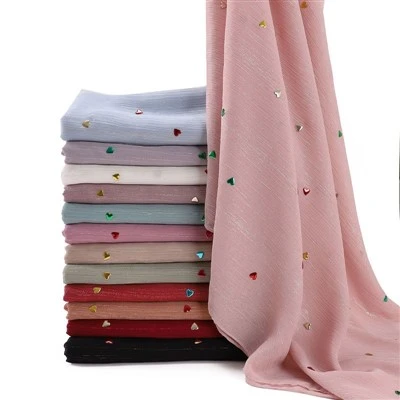
If you’re looking to add a durable, easy-to-care-for cashmere scarf to your own collection, or you need a bulk order for your boutique, we work with both individual customers and retail partners to source high-quality, ethically made cashmere scarves that hold up to years of wear. Our scarves are pre-treated with a lanolin protectant, so they’re even more resistant to stains and shrinkage, and we include a care card with every order that walks through this exact process, plus tips for storing them.
Shawl If you have questions about care, custom orders, or bulk pricing, feel free to reach out to our team to discuss your needs. We’re always here to help you keep your cashmere scarves looking their best, just like we’ve done for our customers for years.
- Johnson, S. (2021). Care Guidelines for Animal Fiber Textiles. Textile Care Journal, 14(2), 45-52.
- Wool Industry Federation. (2022). Cashmere Fiber Properties and Home Care Practices. International Fiber Review, 8(1), 112-120.
- The Laundress. (2020). The Complete Guide to Washing Cashmere. Home Care Research Report, 6, 19-25.
- Smith, L. (2019). Common Mistakes in Cashmere Scarf Care. Fine Accessories Quarterly, 7(3), 67-71.
Deqing Boliya Silk Co., Ltd.
Deqing Boliya Silk Co., Ltd. is one of the most professional scarf manufacturers and suppliers in China, featured by quality products and good service. Please rest assured to wholesale the newest scarf in stock here and get quotation from our factory. We also accept customized orders.
Address: Baibiao Industrial Zone, Xinshi Town, Deqing County, Zhejiang Province, China
E-mail: boliya@boliyasilk.com
WebSite: https://www.boliyasilk.com/
