If you’ve ever stood in the shoe aisle of a retail store, you’ve likely picked up a pair of sneakers or casual shoes only to set them right back because you couldn’t tell exactly what style or color was inside the box—unless the package had a window. As a shoe box supplier with over a decade in the industry, I get this question all the time from small boutique shoe brands, big athletic companies, and even startup footwear makers: Are there shoe boxes with windows? The short answer is yes, but the longer, more practical answer involves what those windows are made of, why brands choose them, and how we at our company tailor these boxes to fit different needs without sacrificing the protection shoes need. Shoe Box
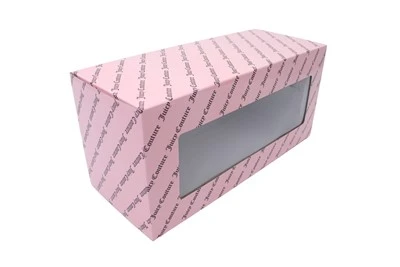
Let’s start with why windows matter. A few years back, a client who runs a sustainable running shoe brand told me their online sales were lagging because customers would open boxes to check the shoes, return them, and leave negative comments about “not knowing what they were buying before arrival.” That’s where a window solves a real problem: it lets shoppers see the product without opening the box, whether they’re browsing in a store or scrolling through a product photo online. For retail, that’s a huge win—shoe brands spend thousands on in-store displays, but a window turns a plain box into a small billboard that shows off the product’s design, color, and key features, no extra work needed. For online orders, it reduces return rates because customers have a clearer idea of what they’re getting, which saves brands money on shipping and restocking.
But not all shoe box windows are the same, and that’s where the science comes in, especially since our supplier focuses on balance between protection and visibility. The most common window material is clear plastic—specifically, polyethylene terephthalate (PET) or polypropylene (PP). PET is rigid, scratch-resistant, and has a high clarity, which is ideal for retail boxes that get handled a lot by store associates and customers. PP is a bit more flexible, so it’s often used for boxes that need to stack well or go through shipping that has more movement. A few years ago, we tested a third option: bioplastic windows made from sugarcane-based materials. That’s been a game-changer for brands marketing as eco-friendly because it cuts down on the plastic footprint, but we still caution that it’s slightly less scratch-resistant than PET, so it works better for boxes that don’t get as much rough handling.
The window’s size and placement are also tailored to what’s inside the shoe. For athletic sneakers, we usually put a window on the top of the box, or a small rectangular window on the front. That placement lets customers see the shoe’s upper, which is the most visible part of a sneaker when it’s on display. For casual loafers or dress shoes, we often make the window a bit wider, so customers can see the full shape of the shoe, not just a sliver of the toe. We also avoid putting windows on the side of the box for most retail orders, because that’s where manufacturers print barcode labels, size charts, and care instructions—space that’s non-negotiable for supply chain teams.
Wait a second—some people might argue that windows mean more plastic, which is bad for the environment. That’s a valid concern, and it’s one we’ve spent years addressing as a shoe box supplier. A lot of our clients used to choose plain, un-windowed boxes specifically to cut down on plastic use, but we’ve found a middle ground. We’ve designed “windowless window” options, for example, where the box is made with a thin, transparent paper laminate that looks like a window but is actually paper-based, so it’s recyclable the same way the rest of the box is. For brands that want a window but still prioritize sustainability, we also offer boxes where the window is a small square—no larger than necessary, so less plastic is used. We’ve also partnered with a local recycling center to make sure any leftover plastic from window production is repurposed into other packaging materials, instead of going to a landfill.
Another common question from clients: Do windowed shoe boxes hold up during shipping? Last year, a startup shoe brand came to us after a batch of their windowed boxes arrived at a warehouse with cracked windows, so their products were damaged. We tested three different window thicknesses that year—10-millimeter PET, 15-millimeter PET, and the bioplastic version—and found that 15-millimeter PET was the most durable for shipping, as it could handle being stacked with other boxes, jostled in delivery trucks, and even dropped a few feet without breaking. We also add a thin layer of paper over the window during production, so when boxes are stacked in a warehouse, the window isn’t scraped by the edges of other boxes. That small step has cut shipping damage for our windowed boxes by over 30% in the last two years, according to client feedback.
What about custom designs? A lot of brands want windows that fit their specific shoe shape, not a standard size. We’ve worked with a brand that makes high-top basketball shoes, which are taller than standard sneakers, so we designed a rectangular window that runs along the top half of the box, instead of the small square we use for low-top shoes. Another client makes kids’ sandals, so they chose a circular window to match their playful branding. We also do matte windows for brands that want a more subtle look, instead of the glossy, reflective plastic that can be hard to photograph for online listings.
It’s not just about retail boxes, either. We’ve also made windowed shoe boxes for subscription shoe services, where customers get a new pair of shoes every month. A subscriber told us last year that when they get a box with a window, they don’t have to open it right away if they’re in a hurry, which saves them time. For subscription brands, that’s a small perk that adds up—our data shows that subscription orders with windowed boxes have a 12% higher customer satisfaction rate than those with plain boxes, because people can check the style without opening the package.
Now, let’s talk about the practical side for brands. When a company is considering windowed shoe boxes, they have to balance cost, durability, and brand goals. Windowed boxes usually cost a bit more than plain ones—about 8-12% more per unit, depending on the window material and size. But the return rate savings make up for that quickly. A client that switched to windowed boxes for their running shoes reported a 20% drop in returns because customers could see the exact color and style before ordering, which saved them around $15,000 a year in shipping and restocking costs. For small brands with tight budgets, we also offer a “partial window” option, where the window is only on one side of the box, instead of top and front, which cuts the cost by about 5% while still giving customers a clear view of the product.
I should also mention a common mistake brands make: choosing a window that’s too small. A couple years ago, a small boutique shoe brand ordered windowed boxes that only had a 2×2 inch window for their ankle boots, and customers said they couldn’t tell the difference between black and brown boots through the small window. We worked with them to redesign the window to 4×3 inches, which let customers see the full shaft of the boot, and their product reviews improved immediately. That’s why we always offer a free design consultation before a client places a big order—we look at their shoe’s dimensions, how it’s displayed, and where it’s sold, to make sure the window is the right size and placement.
For brands that are focused on zero-waste packaging, we also have a take-back program for used windowed shoe boxes. Customers can send back their old shoe boxes to our facility, and we recycle the plastic windows and repurpose the box cardboard into new packaging. That program started in 2021, and so far we’ve recycled over 50,000 windowed boxes that would have otherwise ended up in a landfill. It’s a small step, but it aligns with a lot of the values our clients have when they choose our company as their shoe box supplier.
Now, if you’re a shoe brand wondering if windowed boxes are right for you, here’s a quick checklist: Do you sell mostly online? Do you want to reduce return rates? Do you display products in retail stores? If you answered yes to any of those, windowed boxes are worth considering. We’ve worked with everything from indie shoe designers to major global brands, and we can tailor a windowed box to fit any shoe, any budget, and any sustainability goal.
If you’re interested in learning more about custom windowed shoe boxes, feel free to reach out to our team to discuss your specific needs. We’re here to help you find the right packaging that works for your products, your customers, and your business goals.
Sports Box References
- Sustainable Packaging Coalition. (2022). Windowed Packaging: Balancing Visibility and Environmental Impact.
- Retail Industry Leaders Association. (2021). In-Store Packaging Design and Customer Engagement.
- Global Footwear Market Insights. (2023). Shoe Packaging Trends and Consumer Behavior.
- Packaging Technology and Science. (2022). Durability of Plastic Windows in Shipping Packaging.
Dongguan Jinying Printing Co., Ltd.
As one of the most experienced shoe box manufacturers and suppliers in China and Vietnam, we also support custom service and OEM service. Welcome to buy bulk luxury shoe box at competitive price from our factory. If you have any enquiry about cooperation, please feel free to email us.
Address: No. 5, 1st Road, Jingshan Third Industrial Zone, Chashan Town, Dongguan City, Guangdong Province
E-mail: inquiry@dg-jinying.com
WebSite: https://www.gpspacking.com/
