If you’ve ever stood in the cleaning aisle of a grocery store, staring at a shelf stacked with different boxes of household gloves, you’ve probably wondered more than once: What are these things even made of? As someone who’s spent the last decade working as a household gloves supplier, I’ve heard that question a hundred times—from housekeepers just starting their side gigs, from homeowners frustrated by gloves that tear after one dishwashing session, from students just moving into their first apartment and trying to figure out what they actually need. The truth is, most people assume all household gloves are the same: just thin, stretchy plastic that keeps water off your hands. But that couldn’t be further from the truth. Each material used to make these gloves has its own strengths, weaknesses, and best uses—and picking the wrong one doesn’t just lead to a frustrating cleanup; it can actually be less safe, too. Household Gloves

Let’s start with the most common one: latex. If you’ve ever worn a glove that smells faintly of rubber and stretches like a second skin, that’s latex. Latex is a natural material, made from the sap of rubber trees, and it’s been a staple in household gloves for generations. For good reason, too. It’s incredibly elastic—so much so that it fits tightly around your wrists and fingers, letting you grip a dish brush or a spray bottle without the glove sliding around. It’s also resistant to mild chemicals, like those in most all-purpose cleaners and dish soap, which makes it perfect for everyday tasks. But here’s the big catch: about 1% to 6% of the general population is allergic to latex, and that allergy can range from a mild skin rash to a severe, life-threatening reaction. That’s why, over the last 15 years, we’ve seen a huge shift away from latex in many households, especially those with kids or anyone who does a lot of cleaning.
When latex allergies became a widespread concern, manufacturers turned to vinyl as a cheaper, more hypoallergenic alternative. Vinyl is a synthetic plastic made from polyvinyl chloride (PVC), and it’s easy to spot: it’s usually thicker than latex, a bit stiffer, and less stretchy. It’s also a fraction of the cost, which is why you’ll often find bulk packs of vinyl gloves in dollar stores or at big-box warehouse clubs. For light tasks—like wiping down counters with a mild cleaner or peeling vegetables—vinyl works fine. It’s waterproof, cheap, and doesn’t trigger latex allergies. But it has two big flaws that make it a bad choice for heavy use. First, it doesn’t stretch well, so it’s prone to tearing if you’re gripping something tight, like a tough, caked-on pot, or if you pull it on too quickly. Second, vinyl is not very resistant to harsh chemicals. If you use it with something like bleach or oven cleaner, it can break down quickly, leaving your skin exposed to those fumes or chemicals. For that reason, we recommend vinyl gloves only for very light, occasional tasks, not for deep cleaning or long periods of wear.
Next up is nitrile, and if you’ve paid attention to the PPE market over the last few years, you’ve probably heard this name a lot. Nitrile is another synthetic rubber, made from acrylonitrile and butadiene, and it’s become the gold standard for most household gloves in recent decades. Why? It checks almost every box. Like latex, it’s stretchy and forms a tight, flexible fit that still lets you move your fingers easily. Unlike vinyl, it’s highly resistant to chemicals, including harsh cleaners, bleach, and even some mild solvents. It’s also 100% hypoallergenic, so it doesn’t trigger latex allergies at all. That makes it perfect for just about every household task: washing dishes, mopping floors, cleaning the bathroom, gardening, even handling certain chemicals for small projects. The only downside to nitrile is that it’s a bit more expensive than vinyl, but the tradeoff is worth it for the durability and safety, especially for anyone who cleans regularly. Over the years, we’ve seen demand for nitrile gloves skyrocket because of these benefits, and it’s now the material we sell most of as a supplier.
Wait, though—what if you need gloves for something even more heavy-duty, like cleaning a garage, painting, or handling harsh chemicals? That’s where neoprene comes in. Neoprene is a synthetic rubber, similar to nitrile but thicker and more resistant to extreme temperatures and chemicals. It’s designed for tasks that require extra protection: for example, if you’re using strong drain cleaner, handling paint thinner, or working outdoors in cold weather, neoprene gloves won’t break down or get stiff like nitrile might. They’re thicker, so they’re not as flexible for fine motor tasks like scrubbing a pan, but they’re essential for any job that needs a layer of serious protection. We keep a large stock of neoprene gloves for customers who need that extra toughness, and they’re especially popular with homeowners who do a lot of home repairs or deep seasonal cleaning.
There’s one more material that’s been growing in popularity over the last few years, as more people care about sustainability: natural rubber gloves, sometimes called “hypoallergenic latex.” Wait, hold on—this isn’t the same as regular latex. While regular latex gloves can have residual proteins in them that cause allergies, natural rubber gloves that are “low-protein” have those proteins removed during manufacturing. They’re still made from rubber tree sap, so they’re as stretchy and comfortable as traditional latex, but they’re much less likely to trigger allergic reactions. For people who prefer natural materials over synthetic ones, this is a great middle ground. They’re more expensive than vinyl, but cheaper than pure nitrile, and they work well for everyday tasks. The only thing to note is that low-protein natural rubber gloves still have a small risk of allergic reaction, so if you or someone in your household has a severe latex allergy, you’ll still want to stick to nitrile.
Now, let’s talk about something that most people don’t think about when they look at a glove: what makes these materials different in practice? I’ve seen customers buy a $5 pack of vinyl gloves, use them for one dishwashing session, and throw them away because they tore mid-scrub. Or I’ve had a customer come back to us, frustrated, because their latex gloves gave them a rash after months of use, and they didn’t realize it was an allergy. That’s why, as a supplier, I always tell people to match the glove material to the task, not just grab whatever is cheapest at the store. If you’re doing light cleaning, a low-cost vinyl glove works. If you’re washing dishes every day or deep cleaning the bathroom, nitrile is the better, more durable choice. If you need gloves for a heavy-duty task like handling chemicals, neoprene is non-negotiable. And if you want a natural option that’s gentle on the hands and less likely to cause allergies, low-protein natural rubber gloves are the way to go.
Another thing that often gets overlooked is the thickness of the glove, and how that ties into the material. A 3-mil nitrile glove is thin, flexible, good for fine motor tasks. A 15-mil neoprene glove is thick, heavy, for tough jobs. That’s why you’ll see numbers like “mil” (thousandths of an inch) on glove packaging—that’s not just marketing. It tells you how protective the glove is. A thin nitrile glove might work for washing dishes, but a thick neoprene glove would be overkill and make it hard to grip. Conversely, a thin vinyl glove would tear if you tried to use it for heavy lifting or scrubbing.
I’ve been in this business long enough to see trends come and go. Ten years ago, everyone wanted cheap vinyl gloves. Five years ago, nitrile took over because of the pandemic, when demand for durable, safe gloves skyrocketed. Now, more and more customers are asking for sustainable options, which has led us to offer gloves made from recycled nitrile and even biodegradable options. It’s important to note, though, that “sustainable” doesn’t mean sacrificing performance. We’ve spent years testing different formulations to make sure our eco-friendly gloves still last as long as our traditional ones, so you don’t have to choose between doing right by the planet and getting a good product.
At the end of the day, choosing the right household gloves isn’t just about convenience—it’s about protecting your hands, which are one of the most used parts of your body. I’ve seen too many people deal with dry, cracked skin from using gloves that don’t fit right or aren’t the right material, or even worse, a chemical burn because their gloves broke down mid-task. That’s why I always recommend doing a little research before you buy. Don’t just grab the cheapest pack at the grocery store. Think about what you’ll be using the gloves for, how often you’ll use them, and if you or anyone in your household has any allergies.
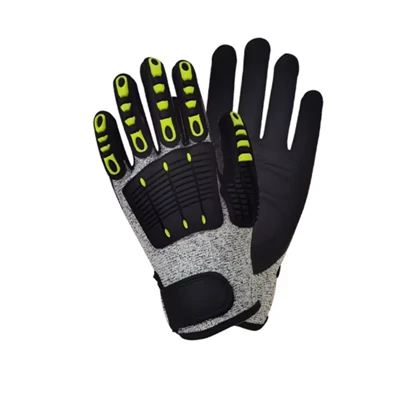
If you’re not sure what kind of glove is right for your needs, or if you’re a business looking to bulk order high-quality household gloves for your team or customers, I’m here to help. As a supplier, we have a wide range of gloves made from all the materials I’ve talked about—latex, vinyl, nitrile, neoprene, low-protein natural rubber—and we can help you find the perfect fit for your needs. Whether you need bulk orders for a cleaning service, custom gloves for a retail brand, or just a personal recommendation for your home, we can work with you. Don’t hesitate to reach out to us to discuss your requirements, compare products, and find the right solution for you.
Household Gloves Reference:
- Occupational Safety and Health Administration. (2022). Selection and Use of Gloves for Protection Against Chemicals and Other Hazards. U.S. Department of Labor.
- International Rubber Study Group. (2021). Global Natural and Synthetic Rubber Market Trends.
- American Academy of Allergy, Asthma & Immunology. (2020). Latex Allergy: What You Need to Know.
- European Chemical Agency. (2019). Safety Assessment of Polyvinyl Chloride (PVC) for Consumer Products.
Shanghai Haokuo Security Technology Co., Ltd.
With abundant experience, we are one of the most professional household gloves manufacturers and suppliers in China. We warmly welcome you to wholesale premium household gloves in stock here and get free sample from our factory. All customized products are with high quality and low price.
Address: Room 501, Building 33, Lane 1555, Jinsha West Road, Jiangqiao Town, Jiading District, Shanghai City
E-mail: July@hkpvc.com
WebSite: https://www.hkglove.com/
