Hey everyone, let’s cut to the chase: if you’re in concrete work, you’ve probably messed around with all kinds of additives to get that mix just right. Lately, I’ve been chatting with contractors, construction managers, and even small-time DIYers who keep asking, “Is hydrated lime actually good for concrete?” As a hydrated lime powder supplier, I’ve seen firsthand how this stuff hits different than those generic cement admixtures everyone swears by. Let me break this down like I would to a buddy over a coffee—no stuffy textbook jargon, just real talk. Hydrated Lime Powder
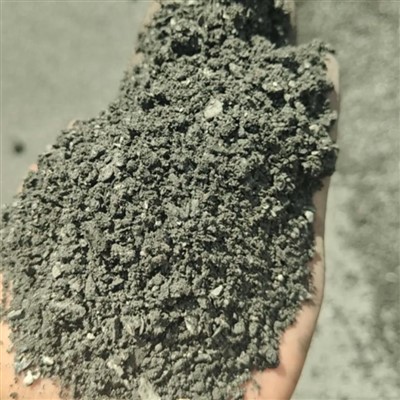
First, let’s get the basics out of the way real quick. Hydrated lime (that’s calcium hydroxide, if we’re being technical) isn’t the same as the quicklime you might see labeled for garden soil or fire starters. Quicklime is unprocessed, super caustic, and needs to be slaked (mixed with water) to turn into the fine powder we sell. That slaking process is key—if it’s not done right, you might have lumps that mess up your concrete mix, but when it’s done properly, you get a consistent, fluffy powder that works wonders.
Now, why would you add hydrated lime to concrete in the first place? A lot of people think concrete is just cement, water, and aggregate, but it’s way more about getting the chemistry right. The number one reason I hear from pros is workability. Let’s be honest: concrete that’s too dry is a pain to spread, it doesn’t stick right, and you end up with air pockets that weaken it. Add a little hydrated lime, and that mix gets way smoother—almost like a well-mixed cake batter. Why? Because the calcium hydroxide particles are super fine, so they fill in the tiny gaps between cement grains and sand. That reduces friction, so you don’t have to work as hard to pump it, pour it, or smooth it with a trowel. I’ve had a mason tell me he cut his prep time for foundation pours by 30% just by tossing in half a bag of our hydrated lime—no joke.
Wait, but it’s not just easier to work with. There’s a big durability angle here too. Let’s talk about something called pozzolanic reaction. Yeah, that sounds fancy, but it’s simple: hydrated lime reacts with silica (you know, the stuff in sand or fly ash) to form extra calcium silicate hydrate— that’s the “glue” that holds concrete together. So instead of just relying on cement to harden, you’re creating more of that strong, solid compound over time. I’ve seen old concrete that was mixed with lime hold up way better in freeze-thaw climates—places like the Midwest or Canada where winter ice and thaw cycles beat the heck out of driveways. Those concrete slabs don’t crack as easily, and they don’t get that pitting (that’s when little chunks flake off) as fast. That means less repairs for homeowners, and longer-lasting projects for contractors.
But hold up—this isn’t a one-size-fits-all thing, right? I get questions all the time: “Can I just dump a bunch in and call it a day?” Nah, that’s how you mess up. If you add too much hydrated lime, you get something called excessive hydration. Basically, the mix gets too rich, it shrinks more as it dries, and you end up with random cracks instead of a solid slab. The sweet spot? For most residential projects (driveways, patios, sidewalks), it’s 5-10% of the cement weight. For big commercial pours, maybe 3-5%—less is more here. Also, if you’re using concrete that’s already been pre-mixed at a plant, ask if they’ve already added lime—some plants do that for workability, so you don’t want to overdo it.
Another thing: water retention. Let’s say you’re working in a hot, dry area like Arizona or Texas. Concrete dries so fast in those climates that the top layer cracks before the rest of the mix has a chance to cure. Add a little hydrated lime, and it slows down the evaporation of water from the mix. That gives the concrete more time to hydrate properly from the inside out. I remember a guy who did a patio in Phoenix last summer—he tried regular concrete and half the top cracked within a week. Switched to adding hydrated lime to his mix, and his patio has held up for three years now. That’s a big deal for anyone dealing with extreme weather.
Wait, but let’s talk about the downsides, because I don’t want to sell this like it’s magic. First, it’s not a replacement for cement. Some people think, “Oh, hydrated lime is cheaper, I’ll just use that instead of cement.” No way. Cement is the primary binder—hydrated lime is an additive, not a substitute. Second, it can affect the set time. If you add too much, concrete might take longer to harden, which can be a problem if you have a tight deadline. But that’s easy to adjust—just test a small batch first, same as you would with any admixture. Third, it’s not great for concrete that’s going to be exposed to strong acids, like near a pool with chlorine or a industrial area with acid runoff. Hydrated lime is basic, so acids will react with it and break down the concrete faster. For those cases, you’re better off with a acid-resistant admixture, not lime.
Now, let’s get personal here. I’m not just some guy selling powder— I’ve been in this industry for 12 years, starting out as a laborer mixing concrete for small jobs before I started my own business supplying hydrated lime. I’ve seen the mistakes, the wins, the “why didn’t I know that?” moments. Last year, a small contractor came to me frustrated because his driveways were cracking too much in his area (it’s in Upstate New York, where freeze-thaw is brutal). We adjusted his mix ratio—cut the cement a little, added 8% hydrated lime, and switched up the curing time he was using. Six months later, he sent me a photo of a driveway he’d done that winter—no cracks, even after three deep freeze-thaw cycles. That’s what gets me: this stuff works when you use it right.
A lot of people also confuse hydrated lime with other lime products, like agricultural lime. Big mistake. Agricultural lime is ground limestone, which is calcium carbonate—it doesn’t have the same calcium hydroxide content, so it won’t do the same things for concrete. If you try to use that, you’ll end up with a mix that’s weaker, not stronger. That’s why it’s so important to get the right product—someone who knows concrete admixtures, not just someone selling garden supplies.
So, should you use hydrated lime for your concrete? Let’s sum it up: if you’re doing a small residential project (patio, walkway, driveway), dealing with extreme heat or freeze-thaw weather, or just want easier workability and longer-lasting results, yes—when you use it correctly. If you’re working on a heavy-duty industrial foundation or need acid-resistant concrete, maybe not, or at least talk to a pro first.
Here’s the thing: even with all the science, the best way to know is to test it. Mix a small batch of your regular concrete, add the right amount of hydrated lime, compare the workability, and let it cure. Feel the difference in strength. That’s why I always tell new customers to get a sample first—no pressure, just see how it works for their specific project.
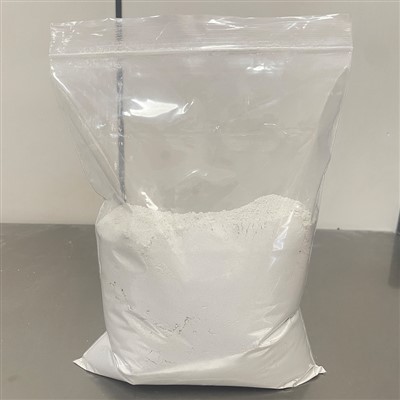
If you’re ready to give it a shot, or just have questions about the right ratio for your job, hit me up. I can help you figure out how much you need, answer any weird questions you’ve got, and make sure you’re getting high-quality hydrated lime that’s properly slaked (no lumps, consistent every time). No stuffy sales pitches, just someone who’s been there and wants to help you get your concrete job done right.
Limestone Powder References:
- Mehta, P. K., & Monteiro, P. J. M. (2014). Concrete: Microstructure, Properties, and Materials (4th ed.). McGraw-Hill Education.
- American Society for Testing and Materials (ASTM). (2020). Standard Specification for Hydrated Lime for Use in Concrete and Mortar (C141/C141M-20). ASTM International.
- Kosmatka, S. H., Kerkhoff, B., & Panarese, W. C. (2015). Design and Control of Concrete Mixtures (16th ed.). Portland Cement Association.
Chaohu Jirun Energy Conservation and Environmental Protection Technology Co., Ltd.
We’re well-known as one of the leading hydrated lime powder manufacturers and suppliers in China, also support customized service. Welcome to wholesale high quality hydrated lime powder in stock here from our factory. If you have any enquiry about pricelist, please feel free to email us.
Address: No. 9, north of the intersection of Weihai Road and Weili Avenue, within the industrial park of Yinping Town, Chaohu City, Hefei City, Anhui Province.
E-mail: 13305654485@163.com
WebSite: https://www.chaohujirun.com/
