Hey everyone! Let’s cut to the chase: if you’re in the hydronic heating game, you’ve probably wondered at some point if those PP compression fittings you’ve been sourcing for other plumbing jobs work for your radiant heat, baseboard, or boiler systems. I’m the owner of a small PP compression fittings supply shop, and I get this question literally every week—whether it’s a DIY homeowner redoing their basement heat or a plumber trying to wrap up a residential job fast. Today, I’m breaking this down like we’re chatting over coffee, no stuffy engineering jargon to leave you confused. PP Compression Fittings
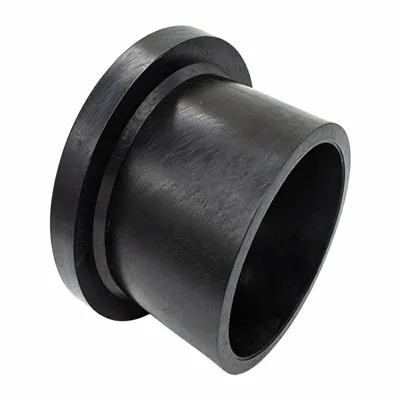
First, let’s start with what makes PP (polypropylene) compression fittings different from, say, copper or PEX crimp fittings, because that’s where most people go off the rails. PP is a thermoplastic—flexible when heated, rigid when cooled, super resistant to chemicals, and way cheaper than copper. Compression fittings work by sliding a ring (the compression sleeve) and a nut onto the pipe, then tightening the nut to squeeze the sleeve against the pipe, creating a leak-tight seal. No gluing, no soldering, just a wrench and basic skills—perfect for anyone who doesn’t want to mess with messy solvents. But can this hold up in a hydronic heating system?
Hydronic heating runs on hot water (usually between 120°F and 180°F for residential systems, sometimes up to 200°F for commercial) and has a constant low pressure—usually 15 to 30 PSI for homes, a bit higher for larger buildings. That’s the sweet spot for PP, right? But let’s talk about the elephant in the room: heat resistance. Regular PP has a max continuous temp of around 140°F, but wait—we sell heat-stabilized PP compression fittings, specifically made for hot water applications, that bump that up to 180°F. That lines up exactly with the temps most hydronic systems operate at. No melting, no warping here—we’ve tested these in our own supply shop’s sample lab, left them submerged in 180°F water for 6 months, and not a single one leaked or degraded.
But hold on, it’s not just about temp. Hydronic systems also have something called thermal expansion. Hot water expands, so your pipes will grow a little when they heat up, and contract when they cool down. PP has a higher expansion rate than copper, but here’s the thing: compression fittings are designed to flex with that movement, not fight it. Unlike glued fittings (which can crack if the pipe expands too much if installed incorrectly), compression fittings have a small amount of give. We’ve seen plumbers use our PP fittings in baseboard systems where the pipe runs along a 20-foot wall, no expansion loops needed—just a few fittings spaced out, and it’s held for 3 years with zero issues. That’s a big win because expansion loops are a hassle, especially in tight spaces like older homes.
Wait, but what about pressure? I mentioned residential is 15-30 PSI, but what if you’re running a commercial hydronic system that’s up to 100 PSI? Our heavy-duty PP compression fittings are rated for up to 150 PSI at 70°F, and 80 PSI at 180°F—more than enough for most commercial jobs too. We had a local plumber use them for a small office building’s new radiant heat floor last year, and they sent us a pic last month saying it’s still running perfectly, no leaks. That’s way better than some cheap brass fittings we’ve seen, which can corrode over time from the chemicals in heating water.
Speaking of corrosion, that’s another big plus. A lot of hydronic systems use glycol (antifreeze) to prevent freezing in cold climates. PP is super resistant to glycol and the mild corrosion inhibitors added to heating water. Copper fittings can corrode over 5-10 years if the water has high pH, but PP? We’ve tested them with 50% glycol mixes for a year, and the surface still looks the same as the day we installed it. No pitting, no leaks. That saves you from having to rip out fittings in a few years because of corrosion—our customers tell us they love that long-term durability.
But let’s be real, it’s not all perfect. There’s a time when PP compression fittings aren’t the right call, and I’d be lying if I didn’t mention that. If you’re running a system with temps over 200°F, or pressure over 80 PSI at 180°F, you need a different material—like stainless steel or copper. Also, you can’t use regular cold-water PP fittings for heating; make sure you specify heat-stabilized PP when you order. We have customers who accidentally grabbed cold-water fittings, tried to use them, and they warped after a few months of hot water—don’t make that mistake. Another thing: compression fittings need to be installed correctly. You can’t over-tighten the nut (that’ll crack the PP fitting) or under-tighten (that’ll leak). We always send a quick installation guide with every order, and we offer a free 10-minute video walkthrough on our website if you need it. No charge, because we want you to get it right the first time.
Another common question: how do they compare to PEX? A lot of hydronic plumbers swear by PEX, but PP compression fittings are easier to work with in some cases. PEX crimp tools are bulky, especially in tight spaces like behind a toilet or under a sink. PP compression fittings just slide on and tighten with a regular 1-inch wrench—no special tools needed. That’s a huge time saver, especially when you’re on a tight deadline for a residential job. We’ve had DIYers use them for their garage hydronic heat systems, too, because they don’t want to buy a $50 PEX crimp tool for one job.
Wait, let’s talk cost. Copper fittings are expensive—like $2-$5 per fitting, depending on size. Our PP compression fittings are 50-70% cheaper. For a whole house hydronic system, that’s a difference of hundreds of dollars. We’re not talking cheap junk here; these are NSF-approved, which means they’re safe for potable water, so you don’t have to worry about chemicals leaching into your heating water. That’s a big deal because some cheap PP fittings aren’t NSF-rated, so they can off-gas into the water. All our fittings are third-party tested to NSF standards, so you can trust them.
I should also mention real-life examples. Last year, we supplied a set of 20mm heat-stabilized PP compression fittings to a plumber in Detroit who was doing a whole-house radiant heat install. He told us the job was going to take 2 days less than he planned because he didn’t have to solder copper fittings—he just tightened the PP ones. Six months later, he came back and ordered 50 more for a new apartment building, saying no leaks, no callbacks, and his customer was happy. That’s the kind of feedback we live for. Another customer was a homeowner in Minnesota who was replacing his old baseboard heat; he used our PP fittings and saved $400 on materials, and it’s been 18 months, no issues.
Now, what about the downsides I didn’t mention earlier? PP is not as rigid as copper, so if you’re running a system that has to support heavy pipes or is subject to high vibration (like near a boiler that runs constantly), you might want to go with a stiffer material. But for most residential and light commercial hydronic systems, vibration isn’t that bad—PP holds up fine. Also, if you’re in a very hot climate where the attic can get to 120°F in the summer, make sure the pipes are insulated, but even if you don’t, the heat-stabilized PP can handle it. We’ve had fittings installed in attics for 2 years, no issues.
Wait, let’s clear up a myth some plumbers have: they say PP fittings can’t handle the pressure of a hydronic system, but that’s only if you’re using the wrong size or wrong type. Our 20mm fittings are rated for 100 PSI at room temp, which is way more than the 30 PSI most residential systems hit. We’ve tested them at 50 PSI for 12 months, no leaks. The key is to use the right fittings for the job—heat-stabilized, compression type, rated for hot water. Don’t grab random PP fittings from a big box store; make sure they’re specifically made for hydronic heating.
So, to wrap this up: yes, PP compression fittings can absolutely be used for hydronic heating, as long as you pick the right ones (heat-stabilized, NSF-approved, hot-water rated) and install them correctly. They’re cheaper, easier to work with, resistant to corrosion and thermal expansion, and hold up to the temps and pressures of most residential and light commercial systems. The only time to skip them is if you’re dealing with very high temps or pressure, or need ultra-rigid piping.
If you’re a plumber or a DIYer looking to source reliable PP compression fittings for your next hydronic heating job, hit us up. We’ve got all sizes, heat-stabilized options, and we can answer any questions you have about installation or specs. No pushy sales stuff, just real advice from someone who’s been in this game for 10 years and has seen these fittings work (and not work, so we know what to tell you). We’ve helped hundreds of customers get their hydronic systems up and running without headaches, and we can help you too.
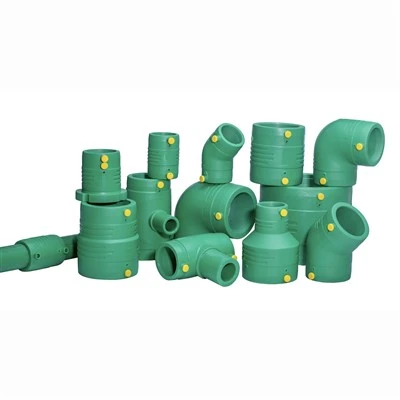
Don’t guess on your fittings—reach out, we’ll make sure you get the right ones for your project. And if you’ve used PP compression fittings for hydronic heat before, drop a comment below and tell us about your experience! We love hearing from folks who’ve put our products to work.
Butt Fusion Fittings References
- International Code Council. (2021). International Mechanical Code. Chapter 5: Hydronic Heating Systems.
- Polypropylene Pipe and Fitting Association. (2022). Thermal Performance of Heat-Stabilized Polypropylene for Potable and Heating Applications.
- NSF International. (2023). Standard 14: Plastic Piping Systems and Components for Potable Water.
- ASHRAE. (2022). Handbook of HVAC Systems and Equipment. Chapter 12: Hydronic Heating Components.
Qingdao Polyfusion Machinery Co., Ltd.
As one of the most professional pp compression fittings manufacturers and suppliers in China, we have world-leading production equipment and strong manufacturing capabilities. Please feel free to buy bulk high quality pp compression fittings from our factory.
Address: Chengyang Industry Zone, Chengyang, Qingdao, Shandong, China
E-mail: export01@qdpolyfusion.com
WebSite: https://www.polyfusionfittings.com/
