A few months ago, one of our long-time customers pulled up in their 2019 low-speed electric passenger car (LSV) at our service bay, and the first thing they said was, “The battery only lasts 20 miles now—can I just swap in a bigger one?” They use the car for trips around their small suburb, dropping kids at the local elementary, picking up groceries, and occasional runs to the library. For them, the original battery that came with the car used to get 40 miles on a full charge; after four years, that range had halved, and they were staring at either dropping $1,200 on a replacement OEM battery or buying a whole new LSV for twice that price. This question—can you actually upgrade the battery on an LSV?—comes up at our shop at least three times a week, and the answer is way more nuanced than most people expect. As a supplier focused on LSVs for residential and small-town use, I’ve spent years working with this specific class of vehicle, not the highway-ready electric cars with 300+ mile ranges. LSVs are built for low speeds—usually 25 mph or less—for short, local trips, and that unique design changes everything when it comes to battery upgrades. Low-speed Electric Passenger Car
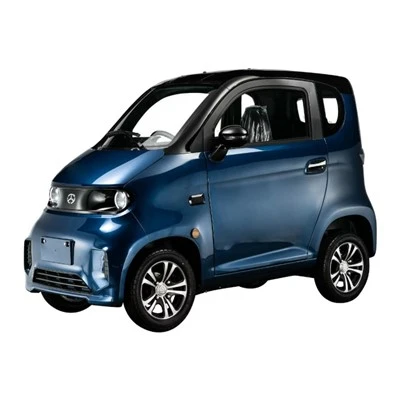
First, let’s ground this in what makes an LSV different from a standard electric car. Most LSVs use lead-acid or lithium iron phosphate (LFP) batteries, not the high-density lithium-ion packs you’d find in a Tesla or a Nissan Leaf. They’re smaller, cheaper, and built for gradual discharge, which is perfect for low-speed, stop-and-go neighborhood driving. The average LSV battery is 48V, 10–20 kWh, versus a typical compact electric car’s 400V, 50+ kWh pack. That lower voltage is a double-edged sword: it makes the whole system lighter and cheaper, but it also limits how much you can tweak the battery without messing with other parts of the car.
So, can you upgrade it? Short answer: yes, but only if you do it the right way. The wrong way—slapping any off-the-shelf battery into your LSV—will not only void your warranty but can also cause overheating, shortened motor life, or even safety issues. Let’s break down what actually works, and what we’ve learned from working with hundreds of customers over the last seven years.
The most common, and safest, upgrade is switching from a lead-acid battery to an LFP battery. Lead-acid is what most original LSVs come with, and it’s cheap upfront, but it’s heavy (a 48V lead-acid pack is about 100 pounds), has a short cycle life (usually 500–1,000 charges), and only holds about 60% of its rated capacity after three years. LFP batteries, on the other hand, are 50–70% lighter, have a 2,000+ cycle life, and retain 80% capacity after 10 years. We started offering this upgrade three years ago, and it’s our most requested service. For example, a customer in a rural area 15 miles from the nearest grocery store didn’t want to wait for a mid-day charge, so we swapped their lead-acid pack for a 15 kWh LFP pack, and their range went from 18 miles to 32 miles—exactly what they needed. The key here is that we don’t change the battery’s voltage: the original LSV’s charger, motor, and wiring are all calibrated for 48V, so a same-voltage LFP pack fits right into the existing battery box, no major modifications. That’s the sweet spot for LSV upgrades: same voltage, same physical size, chemistry swap. It’s not a “big upgrade” in terms of power, but it’s a massive improvement in longevity and range for most users.
The second type of upgrade is increasing the capacity of your existing battery, which is trickier. If you have an LSV that came with a 48V, 10 kWh lead-acid pack, can you put in a 48V, 15 kWh pack? Technically, yes, but only if two things are true: the battery box in your LSV is large enough to fit the bigger pack, and your car’s charging system can handle the higher capacity. We’ve had a handful of customers with later-model LSVs that have bigger battery boxes work with this, but it’s not universal. Last year, we had a customer with a 2021 LSV who wanted to use their car for weekend trips to a nearby lake, so we ordered a custom 48V, 18 kWh LFP pack that fit into their existing battery compartment. The catch? They had to upgrade their charger, too. A standard lead-acid charger won’t safely charge an LFP pack, and a lower-capacity charger will take twice as long to top up a bigger battery. We swapped their 10A lead-acid charger for a 15A LFP-compatible unit, and that worked perfectly. But for older LSVs pre-2018, most have battery boxes built exactly for 10–12 kWh packs, so cramming a bigger one in usually means cutting into the frame of the car, which we don’t recommend. LSVs aren’t engineered for that kind of modification—their frames are light and flexible, meant for low speed, not extra weight. Adding 50 extra pounds of battery to an older model can throw off the steering, increase wear on the tires, and even put more strain on the motor over time. That’s a risk most casual LSV users don’t want to take.
Now, what you should never do when upgrading an LSV battery. We’ve seen customers try all of these, and almost all of them have ended up bringing their cars in for emergency repairs. First, don’t mix old and new batteries. If you have a 48V system, all the batteries in the pack need to be the same age, same chemistry, same capacity. Mixing a two-year-old lead-acid battery with a brand-new one will cause the old one to overcharge and fail prematurely. We had a customer do this last year, and one cell in their battery overheated so bad it warped the wiring harness, costing $800 to fix. Second, don’t increase the voltage of the battery. Some people think a 60V battery will give them more power, but LSV motors and wiring are only rated for 48V. Crank that up, and you’ll burn out the motor or the controller, which is the most expensive part of the whole car. We had another customer who tried this, and their motor died mid-trip to the doctor, leaving them stranded for three hours on a hot afternoon. Third, don’t buy cheap off-brand batteries from Amazon or eBay. There are hundreds of knockoff LFP batteries marketed for LSVs, many of which don’t have built-in battery management systems (BMS). The BMS is what keeps the battery from overcharging, over-discharging, or overheating. Without a good BMS, a cheap battery can catch fire, or just stop working after a few dozen charges. We test every battery we sell, and only work with manufacturers that have BMS certified for LSV use, not just generic lithium batteries made for power tools or RVs.
Another common misconception is that upgrading a battery is cheaper than just buying a new LSV. For most customers, that’s true, but it depends on their needs. A basic LSV with a lead-acid battery costs around $8,000, and an LFP battery upgrade costs about $1,500 to $2,000, so if your original car is in good shape, upgrading makes sense. But if your LSV is older than five years, has rust on the frame, or is already having motor issues, upgrading the battery is throwing good money after bad. We had a customer last year with a 2017 LSV that had rusted floor pans and a worn motor; they spent $1,800 on a new battery, and three months later the motor died. Total cost: almost $10,000, which is what a brand-new, highway-ready compact electric car costs. That’s when we tell customers to skip the upgrade and go for a new LSV, or even a small used gas car if they need longer range.
From our years as an LSV supplier, the biggest takeaway is that LSV battery upgrades are not one-size-fits-all. They work for the right customers—people with newer LSVs that are in good condition, who want a small range boost without buying a whole new vehicle. But they’re not a quick fix for every problem. When a customer comes to us asking about a battery upgrade, the first thing we do is inspect their car: check the battery box size, test the motor and controller, check the age of the existing battery, and talk about how they use the car. If they only need 5–10 more miles of range, the LFP chemistry swap is perfect. If they need 15–20 more miles, we can check if their car’s battery box can fit a slightly bigger pack, and adjust the charger if needed. If their car is too old or worn, we be honest and tell them an upgrade isn’t worth it.
We also work with customers who want to build their own LSVs from scratch, and battery upgrades are a big part of that too. If you’re building a custom LSV for landscaping or business use, a 72V LFP pack can give you more power for hauling tools, without the safety risks of overvolting. But even there, we recommend sticking to the voltage that works with standard LSV components to keep costs down.
At the end of the day, LSVs are designed for specific, low-stakes use cases—short, local trips around town. Upgrading their battery is possible, but it has to fit with how the car was built. That’s why so many customers come back to us: we don’t push every upgrade on everyone, we give honest advice based on years of working with LSVs. If you own an LSV and your battery is dying, or you just need a little more range for your daily trips, reach out to our team to discuss your options. We can walk you through what’s possible for your specific vehicle, from small chemistry swaps to custom capacity upgrades, no pushy sales, just straight answers.

As we wrap this up, it’s important to note that LSV battery technology is still evolving. Newer models are coming out with modular battery packs that make upgrades even easier, but for now, the sweet spot is still same-voltage, same-size chemistry swaps for most customers. Whether you’re a residential user needing a little more range for school runs, or a small business owner needing a more reliable vehicle for deliveries, upgrading your LSV battery can save you thousands of dollars while keeping your car on the road for years.
Electric Delivery Tricycle References:
- National Highway Traffic Safety Administration (NHTSA). (2020). Low-Speed Electric Vehicle Safety Standards. Federal Motor Vehicle Safety Standard No. 571.500.
- Battery University. (2022). Lithium Iron Phosphate Batteries for Light Electric Vehicles. Cadex Electronics Inc.
- Electric Drive Transportation Association (EDTA). (2021). Light-Duty Electric Vehicle Battery Upgrade Best Practices. EDTA Technical Report Series.
- International Organization for Standardization (ISO). (2019). ISO 12405-4: Electrically propelled road vehicles – Test specification for lithium-ion traction battery packs and systems – Part 4: Low-speed vehicles.
Taizhou Xiangyuan New Energy Technology Co., Ltd.
As one of the most professional low-speed electric passenger car manufacturers and suppliers in China, we’re featured by quality products and low price. Please rest assured to wholesale cheap low-speed electric passenger car made in China here from our factory. Contact us for customized service and pricelist.
Address: NO.7HUANGJIN ROAD,METAL RESOURCES RECYCLING INDUSTRY BASE, LUQIAO, TAIZHOU, ZHEJIANG
E-mail: order@jiajiev.com
WebSite: https://www.jiaji-ev.com/
