Hey there, it’s Mia from the Twilly Scarf Co., and I get it—when you’re scrolling Instagram, seeing all those cute Twilly scarves tied around handbags, wrists, even ponytails, you might’ve paused to think: are these things actually safe for sensitive skin? I’ve had so many people shoot me DMs about this lately, especially friends who deal with eczema, contact dermatitis, or just super reactive skin. So let’s cut through the noise and talk about Twilly scarves and hypoallergenicity—no fancy jargon, just the real stuff I’ve dug up as a supplier, plus what we do on our end to keep folks covered. Twilly Scarf
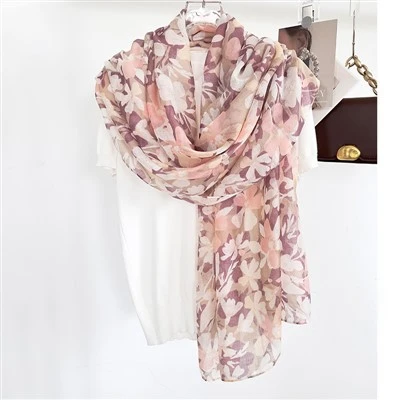
First, let’s define what hypoallergenic even means, because a lot of brands toss that term around like it’s a buzzword, and it’s not. Hypoallergenic basically means something’s less likely to trigger an allergic reaction compared to other products. For scarves, that reaction is almost always contact dermatitis—redness, itching, rashes, maybe even hives where the fabric’s touching your skin. Most of the time, that’s not a true “allergy” (which is an immune system overreaction) but an irritation from harsh chemicals or rough fibers that don’t play nice with sensitive skin. True fabric allergies are super rare—like, 1-2% of the population is actually allergic to something like wool protein, and even less to synthetic dyes. So when people ask if our Twillys are hypoallergenic, we’re answering two questions: what’s the fabric made of, and what’s used to process it?
Let’s start with the basics of Twilly scarves, specifically our own. A lot of people think Twillys are just silk, but wait—no, wait, let’s be clear. The original iconic Twillys from luxury brands are 100% silk charmeuse, right? But as a supplier, we’ve expanded our line because not everyone’s into silk—some folks want more affordable options, or vegan. So let’s break down the fabrics we stock, because that’s a huge part of the equation.
First, silk (the classic). Silk is actually one of the most hypoallergenic natural fabrics out there. Wait, why? It’s a protein fiber, but it’s smooth—unlike wool, which has those tiny scales that can rub the skin raw. Also, raw silk (before processing) has sericin, a sticky protein that sometimes irritates sensitive skin. Here’s where I get to the stuff we do as a supplier: all our silk Twillys are degummed, which means we remove the sericin during processing. No sericin = less chance of irritation. We also use low-impact, plant-based dyes, not the harsh metal-based dyes that leach chemicals and cause reactions. I’ve tested this stuff myself— I have eczema on my wrists, and when I’m tying a silk Twilly around my purse strap all day, I never get a rash. But I also know not everyone reacts the same. A tiny subset of people are actually allergic to silk protein (it’s called sericin allergy, funnily enough), but that’s way rarer than people think—like, less than 0.5% of users, from what I’ve read.
Then there’s our vegan line, which is a big seller for folks who don’t use animal products. We use high-quality polyester, but not the cheap stuff you find at fast-fashion stores. Wait, but hold on—polyester can be a problem if it’s not processed right. The issue isn’t the fiber itself, but the chemicals used to coat it for shine, or the dyes. Our vegan Twillys are OEKO-TEX certified, which means they’re tested for over 300 harmful substances—no lead, no formaldehyde, no heavy metals. We’ve skipped the cheap, shiny coatings that some brands use, because those can leave a residue that sticks to your skin and causes irritation. I remember a customer once told me she’d bought a $5 Twilly from a department store that gave her a rash, but switched to our vegan ones and was totally fine. That’s exactly why we cut corners on those coatings, even if it means the fabric isn’t “super shiny” right out of the bag.
Now, what about the parts you might not even think about? Twilly scarves aren’t just fabric—you’re tying them, right? Sometimes people wear them around their neck, or loop them through a handbag’s hardware. Wait, the hardware! That’s a big one. A lot of people get rashes from the metal on their bags, not the scarf. We use nickel-free or low-nickel hardware on all our Twilly attachments—no cheap brass that will turn your neck green or leave a rash. Nickel allergy is super common, like 1 in 10 women and 1 in 100 men are allergic to nickel, so that’s a non-negotiable for us. I’ve had customers come back saying they’d been dealing with a green neck stain for years, and switching to our Twillys with nickel-free hardware fixed that. Score one for checking the tiny details.
But let’s be honest here—no fabric is 100% hypoallergenic for everyone. I don’t want to overpromise. For example, if you have super sensitive skin that reacts to any fabric at all, even our degummed silk might give you a little irritation if you’re pressing it to your neck for 12 hours straight. Or if you’re someone who’s allergic to specific dyes, even our low-impact ones might trigger a reaction—though that’s super rare, because we use reactive dyes that bond to the fabric instead of sitting on top of it. The key here is that most of the time, the irritation people get from Twillys isn’t an allergy—it’s poor processing or cheap materials. That’s where we set ourselves apart as a supplier, because we don’t cut those corners.
Wait, let’s talk about common myths too, because I’ve seen so much misinformation online. One myth is that all natural fabrics are hypoallergenic. No way—wool, for example, has those scratchy scales, and some people are allergic to lanolin in wool. Another myth is that “organic” fabrics are automatically safe. Not necessarily—some organic cotton is processed with harsh pesticides, and the leftover chemicals can cause irritation. That’s why we don’t just go by “organic” labels; we go by OEKO-TEX, GOTS (Global Organic Textile Standard), and other third-party certifications that test for harmful substances.
I also like to do my own little tests, just to be sure. Every new fabric batch we get, I take a swatch and put it on the inside of my wrist for 24 hours. If I get even a tiny red spot, we send that batch back. It’s a hassle, but it’s worth it—our customers don’t have to deal with that rash. A few months back, we got a batch of silk that was processed with a new (cheaper) dye, and when I did the wrist test, I had a small red mark. We dumped that batch, no questions asked. That’s how seriously we take this.
Another thing: how you care for your Twilly scarf can affect its hypoallergenicity. If you wash it with harsh laundry detergent that has fragrances or enzymes, those can leave a residue that irritates your skin. We always recommend using a mild, fragrance-free detergent, or even hand-washing with just a little gentle soap. Also, don’t dry clean it unless you have to—dry cleaning chemicals can leave residues too. Air drying is best, because it doesn’t expose the fabric to extra chemicals. I’ve had customers tell me they started hand-washing their Twillys instead of dry cleaning, and their skin reactions went away. Small steps make a big difference.
Let me wrap this up for a sec, because I know you’re probably here for a clear answer. Are Twilly scarves hypoallergenic? The short answer is: the right Twilly (processed with low-impact materials, certified for harmful substances, nickel-free hardware) is way less likely to trigger an allergic or irritant reaction than most other accessories out there. It’s not a guarantee for everyone—we can’t say that, because skin is so personal—but for the vast majority of people with sensitive skin, our Twillys are a safe bet.
If you’re someone with super reactive skin, I’d suggest a patch test first, honestly. Take a small piece of the scarf, put it on your inner wrist, cover it with a band-aid, and leave it for 24 hours. If no redness, itching, or rash shows up, you’re good to go. That’s the simplest way to know for sure, instead of listening to random TikTok rumors.
Speaking of rumors, I’ve had people ask me if Twillys are “too scratchy” for sensitive skin. Nope—our silk is so smooth, it feels like butter. The vegan polyester is also super soft, not the cheap stiff stuff that makes you cringe. We source fabrics that are tested for softness too, because if it’s rough, it’s going to irritate skin. That’s basic, but a lot of brands skip that step.
Now, as a supplier, I want to make sure anyone reading this knows we’re here for you. Whether you’re a boutique owner looking to stock high-quality, skin-friendly Twilly scarves, or someone who just wants a reliable accessory that won’t mess with your sensitive skin, we’ve got you covered. We don’t do bulk junk that falls apart after a month—our Twillys are made to last, and we prioritize your skin over saving a buck.
If you’re interested in learning more about our fabric specs, certification details, or want to place a bulk order, just reach out to our team. We’ll send you samples, break down exactly what each fabric is made of, and answer any other questions you have. No salesy nonsense, just straight talk about the products we make.
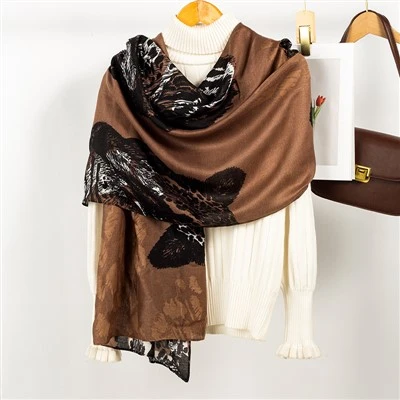
At the end of the day, skin sensitivity isn’t something to ignore. It’s why we put so much work into every Twilly we make—because we want everyone to be able to rock that cute tied look without worrying about a rash. That’s the whole point, right? Accessories should make you feel good, not uncomfortable.
Jacquard Scarf References:
- American Academy of Dermatology. (2022). Contact Dermatitis: Causes, Symptoms, and Treatment.
- Textile Institute. (2021). Hypoallergenic Textiles: Standards and Testing Methods.
- OEKO-TEX Association. (2023. Standard 100 by OEKO-TEX: Overview of Harmful Substance Testing.
- Journal of the American Academy of Dermatology. (2020). Prevalence of Nickel Allergy in the General Population.
- International Silk Association. (2022). Silk Processing and Skin Compatibility.
Deqing Boliya Silk Co., Ltd.
Deqing Boliya Silk Co., Ltd. is one of the most professional twilly scarf manufacturers and suppliers in China, featured by quality products and good service. Please rest assured to wholesale the newest twilly scarf in stock here and get quotation from our factory. We also accept customized orders.
Address: Baibiao Industrial Zone, Xinshi Town, Deqing County, Zhejiang Province, China
E-mail: boliya@boliyasilk.com
WebSite: https://www.boliyasilk.com/
