As a KONE elevator parts supplier who’s spent over a decade working with building managers, maintenance teams, and elevator technicians across North America, one of the most common questions I get is this: “Can I install KONE elevator parts in an existing elevator system?” The short answer is yes—but it’s not as simple as pulling a part out of a box and swapping it in. Over the years, I’ve seen both seamless, successful upgrades that extend an elevator’s lifespan by 15+ years and costly mistakes that turn a routine repair into a weeks-long shutdown, all because someone skipped the critical pre-installation steps that make cross-brand part compatibility work (or fail). Let me break this down, straight from the shop floor and the jobsites I visit every week. Elevator Parts for KONE

First, let’s ground this in how elevators work, because that’s where the confusion starts. Modern elevators, including most models from KONE, are built with modular components, but even within a single brand, parts are designed for specific serial numbers and control system generations. Older elevators—think pre-2000 models—often use mechanical parts that are universal across brands, while mid-2000 to 2015 models moved to more integrated electronic components that are brand-specific. For example, a KONE 10th generation floor position sensor will work on a KONE MonoSpace elevator built in 2007, but swapping that sensor into a 1998 Otis traction elevator? That’s a non-starter for a reason: the sensor’s wiring protocol, voltage output, and communication language won’t match. That’s not a flaw in KONE parts—it’s a design choice: manufacturers build control systems to talk only to their own line of parts to ensure reliability, something I’ve learned the hard way when a client once tried to cut costs by installing a non-KONE door controller on a KONE traction lift and ended up with 12 trips between floors and a service call that cost $800 to fix.
But here’s the good news: for most existing elevator systems, you can install genuine KONE parts, as long as you match three key factors: the elevator’s model year, its existing control system, and the load capacity. Let’s take a real example from a recent job in Chicago: a 1995 KONE Elevon hydraulic elevator at a mid-rise office building, where the original door operator motor burned out. The building’s maintenance manager tried to source a generic motor for $300, but it failed in three months because the motor’s torque didn’t align with the elevator’s door counterbalance, leading to excessive wear on the door tracks. We supplied a genuine KONE door operator motor for the Elevon line, matched to the elevator’s serial number, and it’s still running strong two years later. That’s not just a win for reliability—it’s a 5-year extension of the door system’s lifespan, which is the part of an elevator that needs the most frequent replacement.
Now, let’s talk about the biggest misconception that I hear all the time: “If it fits physically, it’ll work.” That’s a dangerous assumption. I once had a small property manager reach out to me because he’d bought a KONE landing call button for a 2002 KONE MiniSpace elevator, installed it without checking the control system firmware, and ended up with the button sending incorrect floor signals. Turns out, the 2002 MiniSpace used a different frequency protocol than the 2004 model, so even though the button looked identical, it wouldn’t pair. The fix wasn’t returning the button—it was updating the control system’s firmware to match, which cost a fraction of replacing the part. That’s why the first step before any installation is to pull the elevator’s service manual and get the exact serial number: every KONE part is tagged with a serial number that corresponds to the model, so when we supply parts, we always cross-reference that number to ensure compatibility.
Another critical point: code compliance. Elevators are regulated by OSHA, ASME A17.1, and local building codes, and modifying an existing system with non-original parts can void your elevator’s inspection certificate if you don’t do it right. Here’s the thing: genuine KONE parts are tested to meet ASME standards, so installing them correctly won’t create a compliance risk. But if you install a part that’s not calibrated to your system, you could end up with a lift that fails its inspection—something that can cost a building thousands in fines if it’s out of service during a health inspection or a commercial audit. I remember a 2019 job in Dallas where a building manager tried to install a knock-off KONE brake on his system, and the elevator failed its state inspection because the brake’s stopping distance was 12 inches longer than required, violating ASME A17.1. The building had to shut down the elevator for a week to get a genuine KONE brake installed, which cost $1,500 in downtime losses alone. That’s why, as a KONE parts supplier, we always emphasize working with a licensed elevator technician—not just a general handyman—when installing new parts.
Wait, but what about elevators that aren’t KONE brand? Can you install KONE parts in, say, an Otis or Schindler elevator? The short answer is rarely, but there are exceptions—specifically for mechanical, non-electronic parts. For example, a KONE elevator guide rail will fit an Otis 2000 hydraulic elevator if the rail’s dimensions match, but you’ll need a technician to modify the mounting brackets, and you have to make sure the rail’s material is compatible with your system’s load capacity. Electronic parts, though? Almost never. I’ve had a few clients with older (pre-1990) non-KONE elevators call because they heard our KONE parts are durable, and while I’ll sometimes sell them a mechanical part like a door guide or a counterweight, I always warn them that the electronic components won’t work. It’s not a matter of willingness—it’s a matter of design: manufacturers lock their control systems to prevent cross-brand parts from interfering with safety features, which is a good thing for public safety.
Now, let’s get to the practical steps that make installing KONE parts in an existing elevator work, because that’s what you’ll need if you’re reading this as a building manager or maintenance tech. First, document your elevator: get the serial number, model, load capacity, and control system type from the elevator’s service log. If you don’t have that, a licensed technician can pull it from the controller module. Second, confirm compatibility: when you order parts from a KONE supplier, give them that serial number, and they’ll tell you exactly which parts fit. For example, if you need a floor position sensor for a 2007 KONE MonoSpace, they’ll send you a part coded for that model, not a generic one. Third, hire a licensed elevator technician to install and calibrate the part—don’t skip this step. Calibration is what makes the part work: a KONE door controller, for example, needs to be programmed to match your elevator’s door speed and counterbalance, and a technician can do that in 10 minutes with the right tools. Fourth, test after installation: run the elevator through 10 trips, check the doors, the call buttons, and the brake to make sure everything is working before putting it back into service.
I’ve seen so many clients save money by going this route. Last year, a 12-story apartment building in Seattle needed to replace their elevator’s main control board, which would have cost $12,000 for a new KONE board. Instead, we supplied a refurbished genuine KONE control board, matched to their serial number, for $6,500, and their technician installed it and calibrated it in a day. That’s a 46% savings, and the board comes with the same 12-month warranty as a new one. Refurbished KONE parts are a hidden gem for existing systems, too—they’re tested to meet original manufacturer standards, and they’re often cheaper than new parts, as long as they match your model.
But let’s be clear: there are times when installing KONE parts isn’t the right call. If your elevator is over 30 years old and on its third major repair in a year, it’s probably more cost-effective to replace the entire system than to keep swapping parts. I tell clients that rule of thumb: if repair costs are more than 50% of a new elevator, and the elevator is over 25 years old, start budgeting for a replacement. But if your elevator is in good shape, just needs a single part, genuine KONE parts are the best way to go for reliability and code compliance.
One final note that I think is important: as a KONE parts supplier, we’re not just here to sell parts—we’re here to help you make the right choice. We’ve seen clients order the wrong part because they didn’t have the serial number, or try to install it without a technician, and we always take the time to walk them through the process. If you’re considering installing KONE parts in your existing elevator system, don’t guess—reach out to talk through your elevator’s specs, the part you need, and any questions you have. We can help you avoid the mistakes that cost time and money, and make sure your elevator stays safe and reliable for years to come.
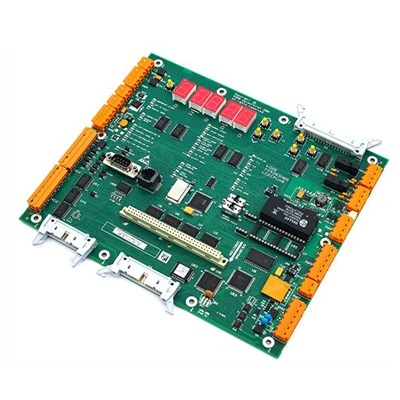
If you’re a building manager, maintenance supervisor, or elevator technician looking to source genuine KONE parts for your existing elevator system, connect with our team to discuss your specific model, required parts, and any compatibility questions you may have. We work with projects of all sizes, from small residential elevators to large commercial installations, and we’re here to help you make informed decisions that balance cost, reliability, and compliance.
Elevator Parts for SJEC References
ASME A17.1-2020: Safety Code for Elevators and Escalators
KONE Elevator Component Compatibility Guide (2022)
National Elevator Industry, Inc. (NEI): Best Practices for Elevator Component Replacement (2021)
OSHA 29 CFR 1910.69: Elevator Safety Standards
Shaanxi Nona Elevator Parts Co., Ltd.
As one of the leading elevator parts for kone manufacturers and suppliers in China, we warmly welcome you to wholesale bulk elevator parts for kone in stock here from our factory. All elevator parts are with high quality and competitive price. For pricelist, contact us now.
Address: No.1502 Ronghao Building, Xi’an City, Shaanxi Province, China
E-mail: candice@nonaelevator.com
WebSite: https://www.nonaelevatorparts.com/
