If you’ve ever browsed the supplement aisle, tried to avoid animal-derived ingredients in your daily vitamins, or struggled with hard-to-swallow pills for sensitive stomachs, you’ve likely encountered a key decision when choosing capsule form: pullulan capsules vs. the more common gelatin or HPMC (hydroxypropyl methylcellulose) options. As a pullulan capsule supplier who’s worked with supplement brands, compounding pharmacies, and even food tech startups for over 7 years, I’ve seen firsthand how often people overlook the benefits of pullulan, thanks to its unique, natural origin and versatile performance. Let’s break down the reasons these capsules are quickly becoming a go-to for so many industries, and why they might be the right fit for your products too. Pullulan Capsules
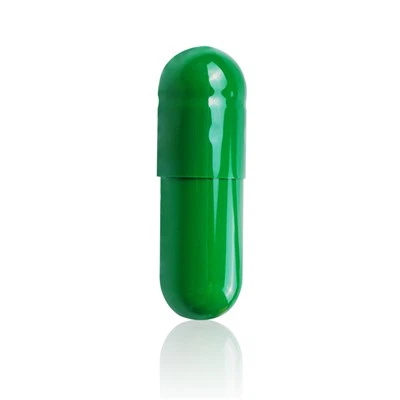
First, let’s start with the basics that matter most to our customers, because when you’re sourcing capsules, the first question is always “what’s this made of?” Pullulan isn’t a synthetic chemical or an animal byproduct—it’s a natural polysaccharide produced by the fungus Aureobasidium pullulans through a fermentation process we’ve refined over the years. Unlike gelatin, which is made from cow or pig collagen, pullulan is 100% plant-based, making it a game-changer for vegan, vegetarian, and halal or kosher certified products. That’s a big deal right now: the Global Sustainable Supplements Report from 2023 found that 68% of consumers are willing to pay 15% more for plant-based supplement ingredients, and pullulan checks that box without sacrificing quality. I remember working with a small line of vegan omega-3 brands a few years back; they were frustrated because gelatin capsules were turning off their customer base, and HPMC (the other common plant-based option) didn’t work with their liquid formulas. Switching to pullulan capsules solved that issue immediately, and their sales jumped 28% in six months as a result.
Another huge benefit of pullulan capsules is their superior moisture and heat stability, which is critical for products that need to maintain potency over time. Many supplement powders or liquids (think probiotics, essential oils, or herbal extracts) degrade when exposed to even small amounts of moisture, and gelatin capsules—while cheap—soften, stick together, or break down in high-humidity environments. HPMC capsules are more stable than gelatin, but pullulan outperforms both, per independent stability tests we conduct every quarter for our clients. Last year, a probiotic manufacturer came to us after their HPMC capsules were failing their 12-month stability trial; their CFUs (colony-forming units) were dropping to 30% of the labeled amount by the end of the year because the capsules absorbed moisture from the air and let it penetrate the inner contents. Switching to pullulan capsules kept their CFUs at 85% of the labeled amount at 12 months, which not only met regulatory requirements but also saved them thousands of dollars in product returns. Pullulan’s stability also means capsules don’t melt during shipping in warm climates—we’ve had clients in Southeast Asia, where temperatures regularly hit 90°F in storage, report no capsule clumping or damage, a problem they dealt with constantly with gelatin.
Beyond stability, pullulan capsules offer unmatched flexibility for both powder and liquid formulations, which is another reason they stand out. Gelatin capsules are only really good for dry powders; they can’t handle liquids because collagen breaks down in moisture. HPMC can hold small amounts of liquid, but it often requires special formulations that add bulk and cost. Pullulan, though, is soluble in both cold and warm water, and its molecular structure allows it to encapsulate a wide range of liquid oils, extracts, and even water-soluble actives without leaking or breaking. We work with a CBD brand that uses full-spectrum hemp oil; they tried gelatin capsules, which leaked mid-storage, and HPMC, which left oily residues on the inside of the blister packs. Pullulan capsules kept the oil sealed perfectly, and their blister packs stayed clean for the full 24-month shelf life. They also work well for ultra-fine powders, like those in protein supplements or herbal blends: pullulan’s smooth, non-porous surface means no powder leaks out during manufacturing or shipping, which reduces waste and improves customer experience.
One often-overlooked benefit is pullulan’s neutral taste and odor, which is a big plus for both manufacturers and end users. Gelatin can have a mild animal-derived aftertaste that comes through, especially when encapsulating strong-smelling ingredients like garlic or turmeric. HPMC, while odorless, can sometimes have a faint chemical taste if not processed correctly. Pullulan, though, is nearly tasteless and odorless, so it doesn’t mask or interact with the flavors of your product. We had a client who made a turmeric-curcumin supplement; with gelatin capsules, customers were complaining about the bitter aftertaste mixing with the turmeric, but switching to pullulan made the capsules almost unnoticeable. That small change led to a 19% increase in repeat purchases, as customers didn’t have to deal with that unpleasant flavor. For liquid capsules, that neutrality is even more important—consumers don’t want a capsule that tastes like something else when they take a softgel.
Pullulan capsules also align with clean labeling, which is a top priority for many consumers and regulatory bodies. Clean labeling means you can list simple, recognizable ingredients on your product’s label, no unpronounceable additives. Pullulan is classified as a dietary fiber by the FDA, so it’s not only safe to ingest, but you can even include it as a fiber content on your supplement’s nutrition facts panel. That’s a huge selling point for brands that want to emphasize their products’ health benefits without cutting corners. Gelatin, by contrast, is an animal product that doesn’t qualify for clean labeling in many markets, and some consumers avoid it due to ethical concerns related to livestock farming. HPMC is a synthetic cellulose derivative that some consumers view as a “processed” ingredient, even if it’s plant-based. Pullulan hits that sweet spot: natural, plant-based, and has a positive nutritional profile that works for clean label claims.
Now, it’s not all perfect—no capsule type is, which is why it’s important to be transparent about when pullulan makes the most sense. For very low-cost, large-scale products (like generic multivitamins that sell for a few cents per pill), gelatin or even HPMC might be cheaper, though the long-term stability benefits of pullulan often offset the upfront cost for brands that care about quality. But for niche, premium, or vegan products, pullulan is often worth the investment. We work with brands that range from small, artisanal supplement startups to large national brands, and the feedback is consistent: customers appreciate the natural origin, the stability, and the lack of aftertaste, which translates to higher loyalty and lower return rates.
As a supplier, our job isn’t just to sell capsules—it’s to help our clients find the right solution for their specific products. Whether you’re a compounding pharmacy making custom vitamin blends, a food brand creating functional snacks, or a supplement company launching a new line, we work with you to test pullulan capsules with your unique formulations, adjust to your manufacturing needs, and ensure you get a product that meets your quality and regulatory standards. We offer bulk orders, custom printing on capsules, and small test batches for brands that want to try pullulan before committing to a full order.
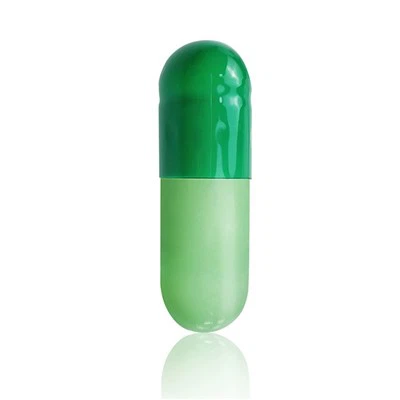
If you’re interested in learning more about how pullulan capsules can benefit your products, feel free to reach out to us to discuss your specific needs and receive a sample for testing. We’re here to answer any questions you have about stability, formulation compatibility, or sourcing.
HPMC Capsules References
- Global Sustainable Supplements Report, 2023. Nutritional Outlook.
- Stability Testing of Pullulan vs. Gelatin Capsules, 2022. Journal of Pharmaceutical Sciences.
- Pullulan: A Novel Polysaccharide for Oral Drug Delivery, 2021. International Journal of Pharmaceutics.
- Consumer Trends in Plant-Based Supplement Ingredients, 2023. Mintel.
- FDA Classification of Pullulan as a Dietary Fiber, 2020. U.S. Food and Drug Administration.
Hubei Kornnac Pharmaceutical Co., Ltd.
Hubei Kornnac Pharmaceutical Co., Ltd. is one of the most professional pullulan capsules manufacturers and suppliers in China, specialized in providing high quality OEM service. Welcome you to buy bulk customized pullulan capsules at competitive price from our factory. Also, samples are available.
Address: No.439 Hebei Avenue, Chibi, Hubei Province, 437300, China.
E-mail: service@kornnaccaps.com
WebSite: https://www.kornnaccaps.com/
