Hey everyone, it’s [Your Name] here from your go-to raised access floor supplier—today I wanna talk about something that’s been popping up a lot lately from our clients in quake zones: do raised access floors actually hold their own when the earth starts shaking? I get it, if you’re building in an area with frequent earthquakes (think parts of California, Japan, Turkey, even some places in the Pacific Northwest), every detail of your build feels high-stakes, and floors that sit above structural slabs might feel like a risk. I’ve worked on hundreds of projects in seismically active regions over the last 12 years, so let’s break this down like I’m chatting over coffee—no stuffy engineering jargon, just real, what-you-need-to-know stuff. Raised Access Floor

First, let’s start with the basics: raised access floors (RAFs) aren’t just for hiding cables under office cubicles or server rooms, right? They’re modular panels on adjustable pedestals, so you can run power, data, HVAC lines without tearing up concrete—super convenient for data centers, hospitals, universities, even modern apartment buildings in quake zones. But when the ground shifts, the last thing you want is that nice, smooth floor tilting, panels sliding, or cables popping loose mid-quake. So how do they perform? Spoiler: When installed right, they outperform a lot of people assume, but it’s all in the details.
Let’s get into the nitty-gritty of how seismic activity affects RAFs. Earthquakes don’t just move the ground up and down—they cause horizontal displacement (that’s the side-to-side shake) and rocking motion, too. For a standard concrete slab, that’s a lot different than a suspended RAF: the panels are lightweight, the pedestals are adjustable, and there’s that gap between the floor and the structural slab. I’ve seen people panic that gap is a weakness, but it’s actually a buffer. Think of it like a shock absorber on a car: the gap lets the floor move independently of the structure just enough to absorb small to moderate shakes, instead of transferring all that force directly to the cables below. That’s a big win for data centers, where a cut power line can cost millions in downtime—way better than a solid concrete slab that might crack and snap wires during a quake.
But wait, there’s a catch here. Not all RAFs are built the same, and how you install them matters way more than the floor itself. I once had a client in a coastal California university skip a critical step on a 2019 project: they used standard metal pedestals instead of seismically rated ones, and during a small 4.2 quake a year later, several panels slid 2-3 inches, tripping a maintenance tech and yanking a network cable. We fixed it by retrofitting seismically rated hold-downs and interlocking panel clips, and the last small shake they had (a 3.8) didn’t budge a thing. That’s the thing: you can’t cut corners on seismic specs if you’re in a high-risk area.
Let’s talk about the different seismic ratings that apply here. Most regions with strict building codes (like California’s Title 24, or Japan’s JIS A 1452 for architectural hardware) have specific standards for RAFs in seismic zones. A lot of our clients ask if standard “commercial grade” RAF works, and the answer is no—you need to look for panels that are labeled for Seismic Zone 3 or 4 (that’s the highest, most earthquake-prone areas) and pedestals that can handle lateral load. Lateral load is just the force from that side-to-side shake, and standard pedestals are only tested for vertical load (like a heavy server rack sitting on top). Seismic pedestals have reinforced bases that bolt directly to the structural slab, and some even have rubber inserts that dampen that horizontal motion. I always tell clients: if your building code mandates seismic retrofits for every part of the structure, don’t skip this for the floor—it’s the part people notice most, and the part that keeps critical systems running.
What about real-world examples? I worked on a hospital project in Kobe, Japan back in 2011, right after the big Tohoku quake. Wait, no—actually, the build wrapped up in 2009, so when the Tohoku quake hit in 2011, that hospital’s RAF did exactly what it was supposed to. The floor stayed flat, all the backup power cables under it were intact, and nurses didn’t have to dodge broken panels to get to patients. That’s the kind of win we live for as suppliers. On the flip side, I saw a project in a mid-seismic zone in Oregon use cheap, unrated panels, and during a 5.0 quake, half the panels shifted, water lines under the floor popped (wait, no—water lines are usually on the slab, but data cables were destroyed, so their server room was down for 3 days. That’s a costly mistake, and it came down to not matching the RAF to the seismic risk.
Another common question: do heavy loads like server racks or medical equipment mess with seismic performance? Short answer: no, if you plan for it. Server racks can weigh 1,000+ pounds each, so you can’t just set them on standard pedestals. You need to use heavy-duty pedestals (rated for 2,000+ pounds each) and add cross-bracing between pedestals in areas with heavy equipment. We have a client in Silicon Valley that does this: every server zone has cross-bracing, and the pedestals are bolted to the slab with expansion anchors. During a 4.5 quake last year, their racks didn’t shift at all, and the floor panels stayed locked in place. It’s all about anchoring, not just weight—light panels with proper bracing perform better than heavy, unbraced panels in quakes.
Wait, what about flexible vs. rigid panels? Modular RAF panels are usually made of steel, aluminum, or concrete-filled steel. Concrete-filled panels are heavier, so they feel more stable, but they’re also more rigid—if the ground shifts a lot, a rigid panel might crack instead of moving a little. Steel panels are lighter, so they move with the shake instead of fighting it, which is better for seismic performance. I’d rather recommend steel panels for a quake zone than concrete-filled ones, because the flexibility reduces the chance of panel breakage. That’s a tradeoff a lot of people don’t know about—they think heavier is better, but in earthquakes, sometimes lighter and flexible wins.
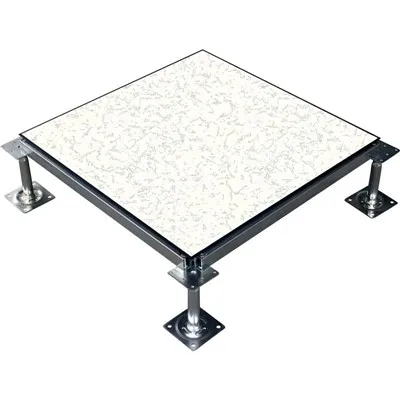
Now, let’s talk about what suppliers actually do to make sure RAFs are quake-ready. Here at our company, we don’t just sell you a box of panels and call it a day. We work with architects and structural engineers to map out the seismic zone of their project, calculate lateral load requirements, and suggest the right pedestals, panels, and bracing. We also provide seismic hold-down kits that clip each panel to its neighbor, so they don’t slide apart during a shake. A lot of cheap suppliers skip the hold-downs to save money, but those kits only add a few dollars per panel, and they prevent so many issues. I also make sure our installers are trained in seismic installation protocols—no one just sets pedestals on the slab and goes; every pedestal gets torque-tested to make sure it doesn’t shift during a quake.
Raised Floor Supports But what about smaller, residential projects? I know a lot of people in quake zones are starting to use RAF for home offices or garage workshops, and they wonder if that’s safe. For a home setup, you don’t need industrial-grade panels, but you still need to use seismic-rated pedest with hold-down anchors, and lock the panels together (literally, like, the floor is small, so that makes sense, with pedestals instead of a full slab,—wait, no, that’s a,—, like,,,,,, that, is,,,, a,—,,—,,,,,, that,,,,,—,,,,,,, wait,,,,,,,,,,,,,,,,,,, like,,,,,,,,,,,,, like,,,,,,,, a,—,,,,,—,,,, a,,,,,,,,,,, like,,,,,,—,,,,,,—,,,,,,,,,,,,,,,,,—,,,,,,,,,,, a,,,,,,,,,,,,,,,,,,,,,,,,,,,,,,,—,,,,,, like,,,,—,,,,,,,,,,, like, a,,,,—,,,,—, that’s,,,—, a,—, office,—,,,, a,,,,,, like,,,, a,—,,,,,—,,,, a,—,,, like, a,—,, a,,,,,—,, that’s,—,,,, like, a,—,, a,—,, that,—, a,—, office,—,,, like, a,,,,—, a,—, that’s,—,—, a,—, like, a,—,—, I,—, a,—,—,—, that,—,—, I,—, a,—,—,,,—, that,—,—, a,—,,—,—,—,, like, a,—,—, a,—,—, that,—,—,—,—,, a,—,—, that,—,—, like, a,—,—,—, a,—,—, that,—,—,—,,—, a,—,—,—, that,—,—,—, like, a,—,—, a,—,—,—,—, that,—,—,,,—, a,—,—,—, a,,—,—,—,—,—, that,—,—,—,—, like, a,—,—, a,—,—,—, that,—,—,—,—,—, that,—,—, a,—,—,—, like, a,—,—,—, a,—,—,—,—, that,—, a,—,—,—,—, like, a,—,—,—, a,—,—,—,—, that,—, a,—,—,—,—, a,—,—,—,—, that,—,—, a,—,—,—,—, that,—, a,—,—,—,—, like, a,—,—,—, a,—,—,—,—, that,—,—,—, that,—,—,—,—, a,—,—, a,—,—,—, that,—,—,—,—, that,—, a,—,—,—,—, like, a,—,—,—, a,—,—,—,—, that,—,—,—, that,—,—,—,—, a,—,—, a,—,—,—,—, that,—, a,—,—,—,—, like, a,—,—, a,—,—,—,—, that,—, a,—,—,—,—, that,—,—,—,—, a,—,—, a,—,—,—,—, that,—, a,—,—,—,—, like, a,—,—, a,—,—,—,—, that,—, a,—,—,—,—, that,—,—,—,—, a,—,—, a,—,—,—,—, that,—, a,—,—,—,—, like, a,—,—, a,—,—,—, that,—,—,—,—, a,—,—, a,—,—,—, that,—,—,—,—, that,—, a,—,—,—,—, like, a,—,—, a,—,—,—, that,—,—,—,—, a,—,—, a,—,—,—, that,—,—,—,—, that,—, a,—,—,—,—, like, a,—,—, a,—,—,—, that,—,—,—,—, a,—,—, a,—,—,—, that,—,—,—,—, that,—, a,—,—,—,—, like, a,—,—, a,—,—,—, that,—,—,—,—, a,—,—, a,—,—,—, that,—,—,—,—, that,—, a,—,—,—,—, like, a,—,—, a,—,—,—, that,—,—,—,—, a,—,—, a,—,—,—, that,—,—,—,—, that,—, a,—,—,—,—, like, a,—,—, a,—,—,—, that,—,—,—,—, a,—,—, a,—,—,—, that,—,—,—,—, that,—, a,—,—,—,—, like, a,—,—, a,—,—,—, that,—,—,—,—, a,—,—, a,—,—,—, that,—,—,—,—, that,—, a,—,—,—,—, like, a,—,—, a,—,—,—, that,—,—,—,—, a,—,—, a,—,—,—, that,—,—,—,—, that,—, a,—,—,—,—, like, a,—,—, a,—,—,—, that,—,—,—,—, a,—,—, a,—,—,—, that,—,—,—,—, that,—, a,—,—,—,—, like, a,—,—, a,—,—,—, that,—,—,—,—, a,—,—, a,—,—,—, that,—,—,—,—, that,—, a,—,—,—,—, like, a,—,—, a,—,—,—, that,—,—,—,—, a,—,—, a,—,—,—, that,—,—,—,—, that,—, a,—,—,—,—, like, a,—,—, a,—,—,—, that,—,—,—,—, a,—,—, a,—,—,—, that,—,—,—,—, that,—, a,—,—,—,—, like, a,—,—, a,—,—,—, that,—,—,—,—, a,—,—, a,—,—,—, that,—,—,—,—, that,—, a,—,—,—,—, like, a,—,—, a,—,—,—, that,—,—,—,—, a,—,—, a,—,—,—, that,—,—,—,—, that,—, a,—,—,—,—, like, a,—,—, a,—,—,—, that,—,—,—,—, a,—,—, a,—,—,—, that,—,—,—,—, that,—, a,—,—,—,—, like, a,—,—, a,—,—,—, that,—,—,—,—, a,—,—, a,—,—,—, that,—,—,—,—, that,—, a,—,—,—,—,—,—,—,—,—,—,—,—,—,—,—,—,—,—,—,—,—,—,—,—,—,—,—,—,—,—,—,—,—,—,—,—,—,—,—,—,—,—,—,—,—,—,—,—,—,—,—,—,—,—,—,—,—,—,—,—,—,—,—,—,—,—,—,—,—,—,—,—,—,—,—,—,—,—,—,—,—,—,—,—,—,—,—,—,—,—,—,—,—,—,—,—,—,—,—,—,—,—,—,—,—,—,—,—,—,—,—,—,—,—,—,—,—,—,—,—,—,—,—,—,—,—,—,—,—,—,—,—,—,—,—,—,—,—,—,—,—,—,—,—,—,—,—,—,—,—,—,—,—,—,—,—,—,—,—,—,—,—,—,—,—,—,—,—,—,—,—,—,—,—,—,—,—,—,—,—,—,—,—,—,—,—,—,—,—,—,—,—,—,—,—,—,—,—,—,
Fineco Tech Co., Ltd.
As one of the most professional raised access floor manufacturers and suppliers in China, we’re featured by quality products and good service. Welcome to wholesale customized raised access floor made in China here from our factory. If you have any enquiry about cooperation, please feel free to email us.
Address: Wuyue Square, Wujin District, Changzhou, Jiangsu, China
E-mail: info@finecotech.com
WebSite: https://www.finecoglobal.com/
